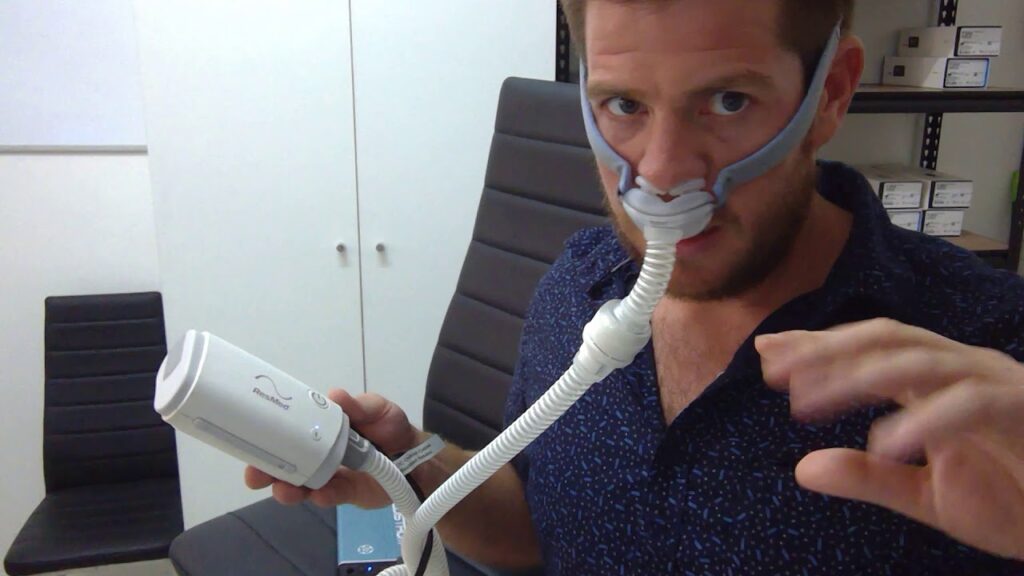

Nothing ruins a good night’s sleep faster than the high-pitched whistle of escaping air or a cold blast of wind hitting your eyes. If you are struggling with therapy, learning how to stop CPAP mask leaks is the single most important step you can take toward better health. In Australia, where sleep apnea awareness is at an all-time high, thousands of users give up on their treatment simply because they cannot maintain a consistent seal.
This guide isn’t just about tightening straps. We are diving deep into the mechanics of mask fit, skin preparation, and equipment maintenance to ensure your CPAP therapy is both silent and effective.
See more: Medical Oxygen Supplies Melbourne: Complete Guide & Sourcing
What Causes CPAP Mask Leaks?
A CPAP (Continuous Positive Airway Pressure) leak occurs when the pressurized air delivered by your machine escapes through the edges of the mask cushion rather than entering your airway.
Why a Perfect Seal Matters
When air escapes, your machine cannot maintain the prescribed pressure needed to keep your airway open. This leads to:
- Reduced Therapy Effectiveness: Your AHI (Apnea-Hypopnea Index) may rise.
- Dry Eyes and Mouth: Escaping air often blows directly into the eyes, causing irritation.
- Noise Disruptions: The sound of a leak can wake both you and your partner.
- Skin Irritation: Constant airflow across the skin can cause “mask burn” or rashes.
5 Secrets to a Perfect CPAP Seal Every Night
Achieving a leak-free night requires a combination of the right gear and the right habits. Here are the five professional secrets to mastering your mask fit.
1. The “Fitting While Lying Down” Rule
The most common mistake Australians make is fitting their mask while sitting up in front of a mirror. When you lie down, gravity causes your facial structure and soft tissues to shift.
- The Technique: Always adjust your mask straps while in your actual sleeping position.
- The Result: A fit that accounts for the “settling” of your cheeks and jaw, preventing leaks that only appear once you fall asleep.
2. Temperature Management and Condensation (Rainout)
In many Australian climates, the temperature difference between the humidified air in your tube and the cool room air causes “rainout”—water droplets forming in the mask. This moisture breaks the silicone seal against your skin.
- The Secret: Use a heated tube or a fleece tubing wrap. By keeping the air warm until it reaches your face, you prevent moisture from “lubricating” a leak.
3. The Power of Mask Liners
If you have oily skin or use facial moisturisers, silicone masks will slide. Mask liners—small fabric covers that sit between the cushion and your face—act as a “gasket.”
- Benefit: They absorb facial oils and perspiration.
- Benefit: They create a soft barrier that fills in small facial contours where air typically escapes.
4. Cushion Replacement Cycles
Silicone is a porous material. Over time, it absorbs skin oils and loses its “tackiness” and structural integrity. A cushion that is six months old will never seal as well as a fresh one, no matter how tight you pull the straps.
| Part | Replacement Frequency (Recommended) |
| Mask Cushion | Every 1–3 Months |
| Mask Frame | Every 6 Months |
| Headgear Straps | Every 6 Months |
| Filters | Every Month |
5. Proper Cleaning Without Harsh Chemicals
Many people use dish soap or antibacterial wipes to clean their masks. These often contain perfumes or oils that break down the silicone.
- Pro Tip: Use a dedicated CPAP mask wipe or a mild, fragrance-free soap (like pure Ivory). A clean, “grippy” silicone surface is essential for a high-pressure seal.

Advanced Troubleshooting: Type of Mask vs. Sleep Position
Sometimes the leak isn’t a “how” problem, but a “what” problem. Your sleep style dictates the mask architecture you need.
For Side Sleepers
Side sleepers often push their mask off-center against the pillow. This is known as “mask displacement.”
- The Solution: Consider a Nasal Pillow mask (which has a smaller footprint) or a specialized CPAP Pillow with cut-outs to accommodate the mask.
For Mouth Breathers
If you use a nasal mask but your mouth drops open at night, the air will leak out of your mouth. This bypasses the therapy entirely.
- The Solution: Switch to a Full Face Mask or utilize a Chin Strap to keep the jaw supported.
Common Mistakes That Ruin Your Seal
The Overtightening Trap: Most users respond to a leak by pulling the straps tighter. This actually compresses the “outer” wall of the cushion, preventing it from inflating with air. A CPAP cushion is designed to “balloon” outward to create a seal; overtightening flattens it and causes more leaks.
- Using the wrong size: Bigger is not better. A mask that is too large will almost always leak into the eyes.
- Dirty skin: Applying nighttime creams or oils right before putting on the mask is a recipe for a sliding seal.
- Ignoring the “Mask Fit” function: Most modern machines (like the ResMed AirSense series) have a “Mask Fit” setting. Use it to test the seal at high pressure before you go to sleep.
Step-by-Step: How to Stop CPAP Mask Leaks Tonight
- Wash your face: Use a simple cleanser to remove natural oils.
- Inspect the cushion: Ensure there are no tears or debris on the silicone.
- Lying down, put the mask on: Keep the straps relatively loose.
- Turn on the machine: Allow the cushion to “inflate” with air pressure.
- Gently pull the mask away: Pull it 2cm away from your face to let the cushion reset, then let it settle back onto your skin.
- Tighten incrementally: Only tighten until the hissing stops.
Internal Linking Suggestions
- Learn more about the [best CPAP masks for side sleepers] in our comprehensive guide.
- Wondering when to upgrade? Check our [CPAP machine replacement schedule].
- Dealing with a dry throat? Read our tips on [CPAP humidification settings].
External Authoritative References
- The Sleep Health Foundation (Australia)
- Australasian Sleep Association
Frequently Asked Questions (FAQ)
How do I know if my CPAP mask is leaking?
You will notice dry eyes in the morning, a noisy “whistling” sound at night, or your machine’s “Leak” data will show a high liters-per-minute (L/min) rate on your sleep report.
Why does my CPAP mask leak only after a few hours?
As you enter deep REM sleep, your facial muscles relax completely, which can change the shape of your face. Additionally, sweat or oil buildup during the night can cause the mask to shift.
Can a beard cause CPAP leaks?
Yes. Facial hair creates a porous surface that silicone cannot grip. Men with beards often find better success with Nasal Pillow masks or by using a mask liner to help bridge the gaps created by hair.
Should I use a chin strap to stop leaks?
If you use a nasal mask and the leak is coming from your mouth (mouth breathing), a chin strap is highly effective. It is not designed to stop leaks from the mask edges itself.
Is it normal for some air to come out of the mask?
Yes. All masks have an “exhalation port” or vent. This is designed to let carbon dioxide escape. A “leak” is air escaping from the edges where the mask touches your skin.
Will a CPAP pillow really help?
For side sleepers, yes. A CPAP pillow has cut-outs that allow the mask to “hang” off the side of the pillow, preventing the bed from pushing the mask off your face.
Conclusion: Achieving the Perfect Sleep
Learning how to stop CPAP mask leaks is a journey of small adjustments. By fitting your mask while lying down, keeping your equipment clean, and replacing cushions regularly, you can eliminate the frustrations that hold you back from a restorative night’s sleep.
Don’t let a minor leak derail your long-term health. If you’ve tried these steps and still struggle, your mask might simply be the wrong size or shape for your facial structure.