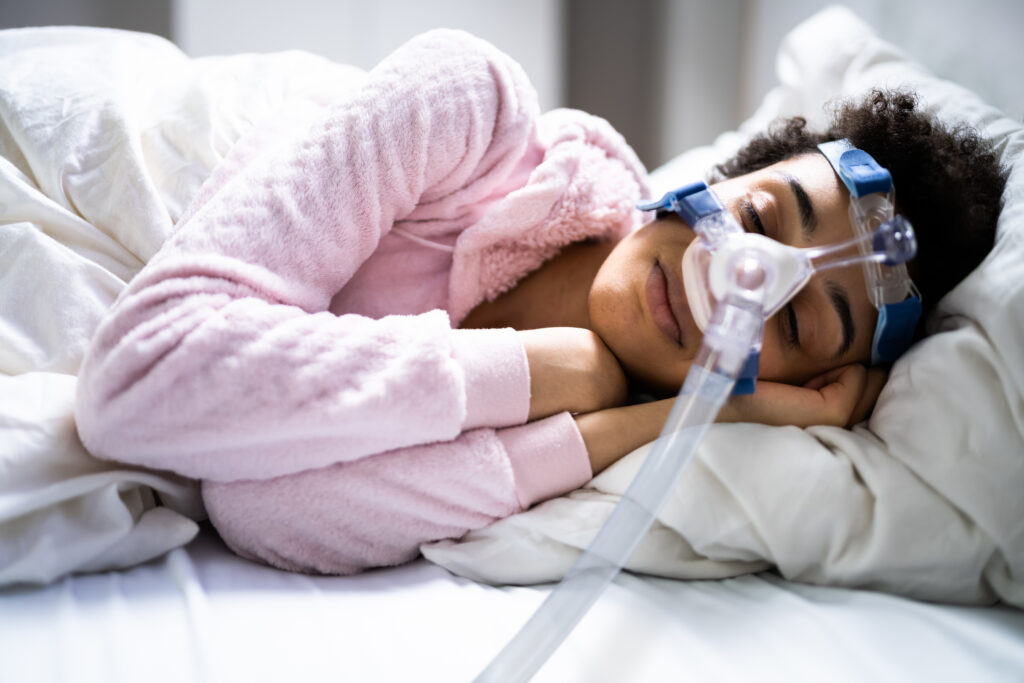
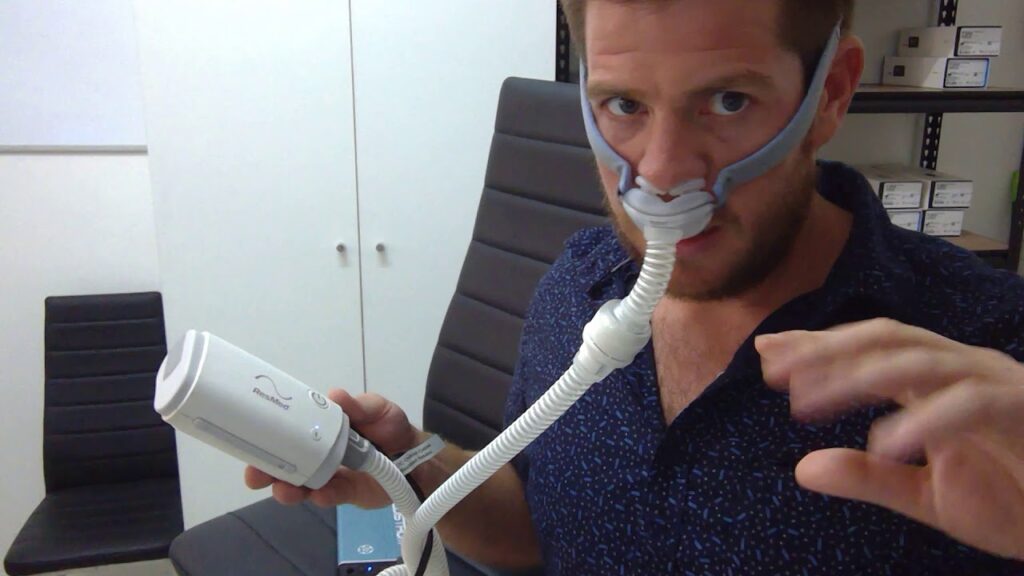
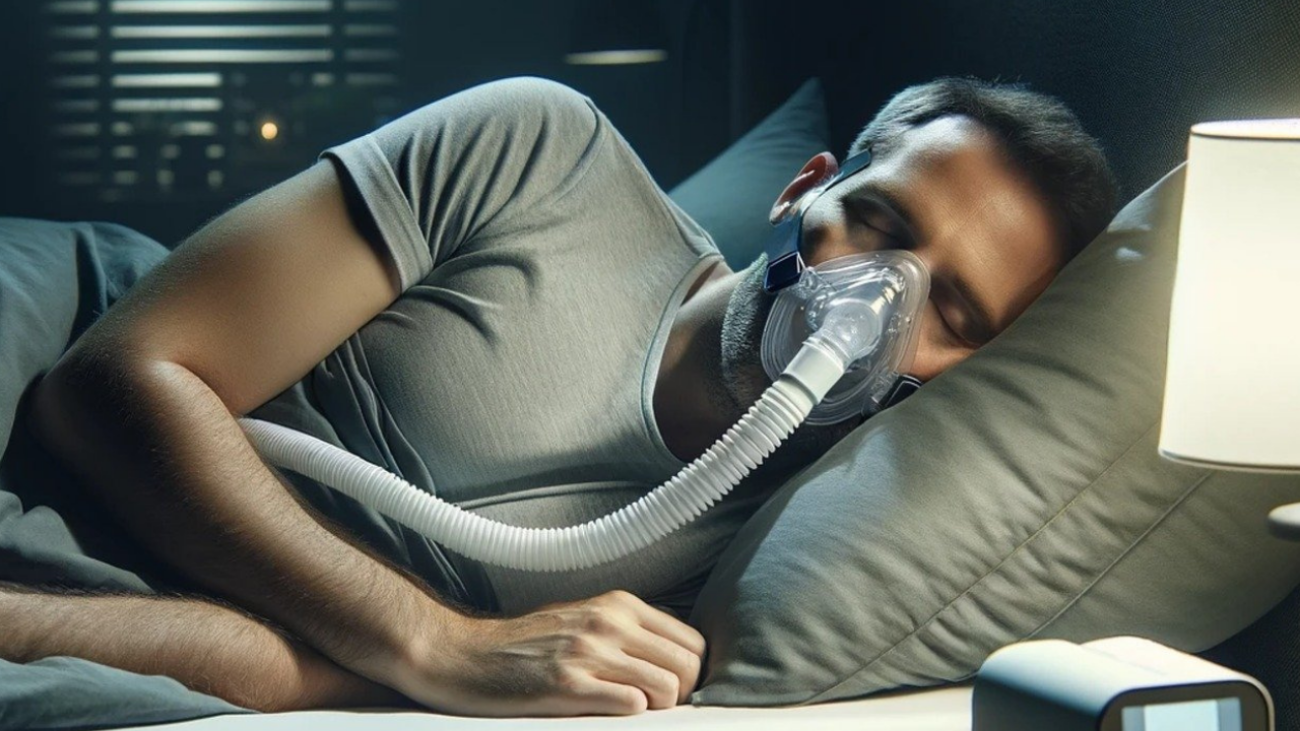
Nothing ruins a good night’s sleep faster than the high-pitched whistle of escaping air or a cold blast of wind hitting your eyes. If you are struggling with therapy, learning how to stop CPAP mask leaks is the single most important step you can take toward better health. In Australia, where sleep apnea awareness is at an all-time high, thousands of users give up on their treatment simply because they cannot maintain a consistent seal.
This guide isn’t just about tightening straps. We are diving deep into the mechanics of mask fit, skin preparation, and equipment maintenance to ensure your CPAP therapy is both silent and effective.
A CPAP (Continuous Positive Airway Pressure) leak occurs when the pressurized air delivered by your machine escapes through the edges of the mask cushion rather than entering your airway.
Why a Perfect Seal Matters
When air escapes, your machine cannot maintain the prescribed pressure needed to keep your airway open. This leads to:
Reduced Therapy Effectiveness: Your AHI (Apnea-Hypopnea Index) may rise.
Dry Eyes and Mouth: Escaping air often blows directly into the eyes, causing irritation.
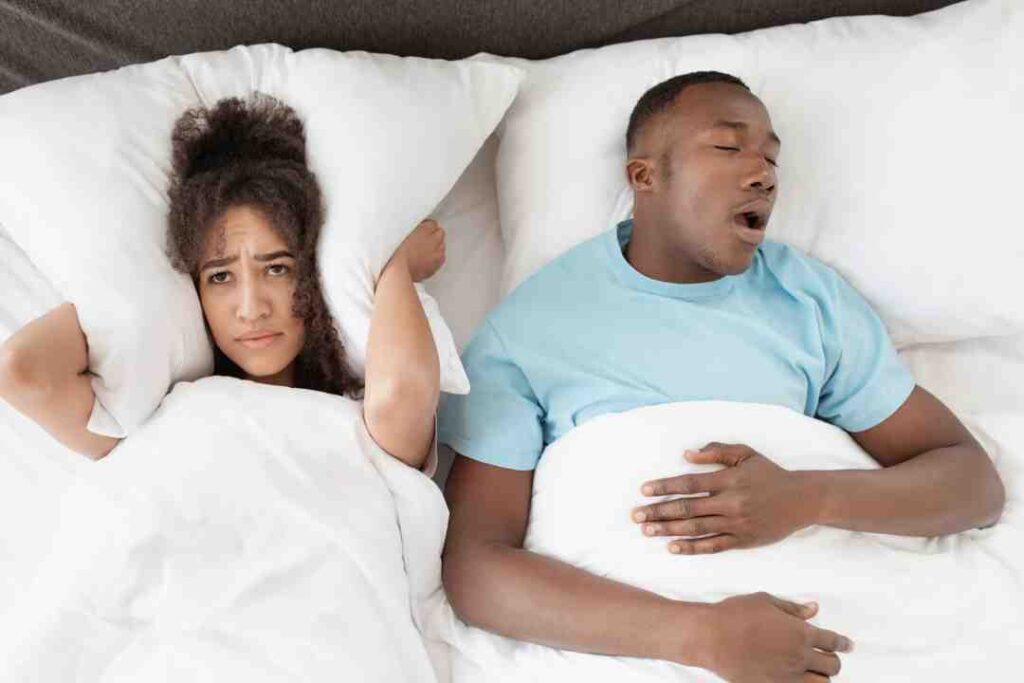
Noise Disruptions: The sound of a leak can wake both you and your partner.
Skin Irritation: Constant airflow across the skin can cause “mask burn” or rashes.
5 Secrets to a Perfect CPAP Seal Every Night
Achieving a leak-free night requires a combination of the right gear and the right habits. Here are the five professional secrets to mastering your mask fit.
1. The “Fitting While Lying Down” Rule
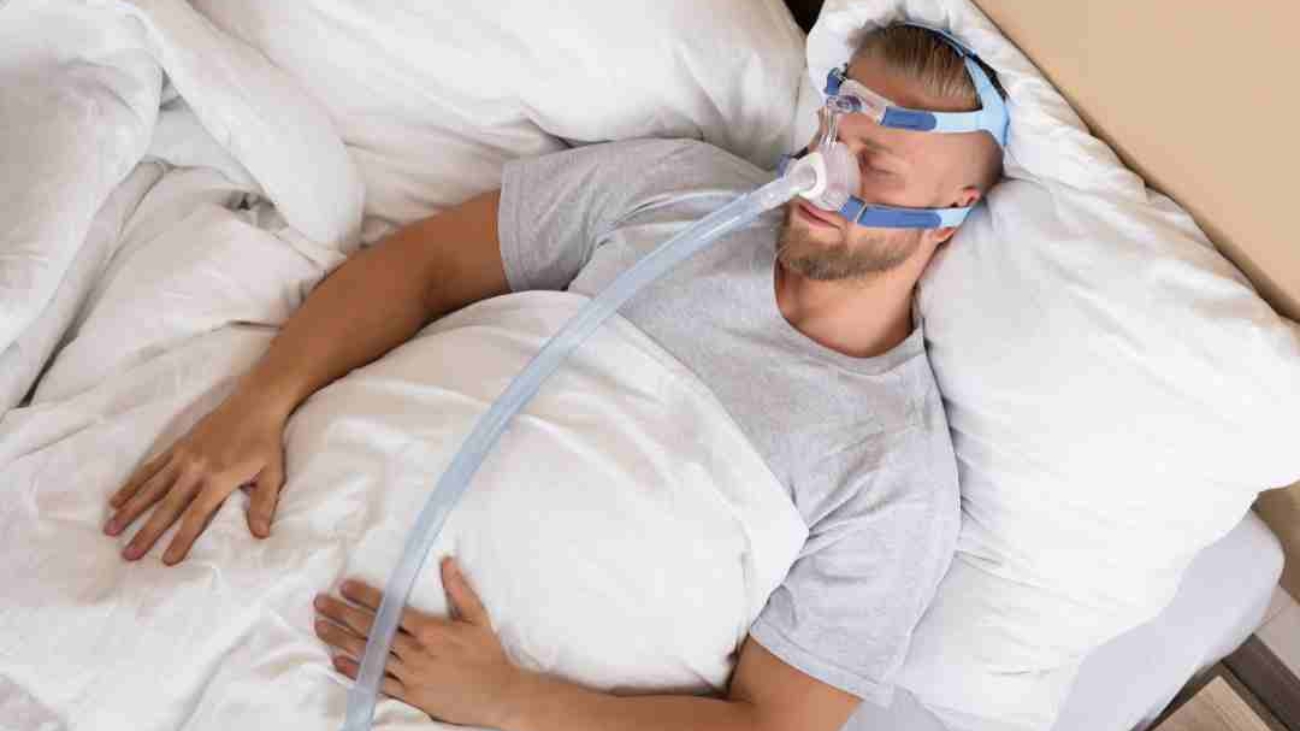
The most common mistake Australians make is fitting their mask while sitting up in front of a mirror. When you lie down, gravity causes your facial structure and soft tissues to shift.
The Technique: Always adjust your mask straps while in your actual sleeping position.
The Result: A fit that accounts for the “settling” of your cheeks and jaw, preventing leaks that only appear once you fall asleep.
2. Temperature Management and Condensation (Rainout)
In many Australian climates, the temperature difference between the humidified air in your tube and the cool room air causes “rainout”—water droplets forming in the mask. This moisture breaks the silicone seal against your skin.
The Secret: Use a heated tube or a fleece tubing wrap. By keeping the air warm until it reaches your face, you prevent moisture from “lubricating” a leak.
3. The Power of Mask Liners
If you have oily skin or use facial moisturisers, silicone masks will slide. Mask liners—small fabric covers that sit between the cushion and your face—act as a “gasket.”
Benefit: They absorb facial oils and perspiration.
Benefit: They create a soft barrier that fills in small facial contours where air typically escapes.
4. Cushion Replacement Cycles
Silicone is a porous material. Over time, it absorbs skin oils and loses its “tackiness” and structural integrity. A cushion that is six months old will never seal as well as a fresh one, no matter how tight you pull the straps.
Part
Replacement Frequency (Recommended)
Mask Cushion
Every 1–3 Months
Mask Frame
Every 6 Months
Headgear Straps
Every 6 Months
Filters
Every Month
5. Proper Cleaning Without Harsh Chemicals
Many people use dish soap or antibacterial wipes to clean their masks. These often contain perfumes or oils that break down the silicone.
Pro Tip: Use a dedicated CPAP mask wipe or a mild, fragrance-free soap (like pure Ivory). A clean, “grippy” silicone surface is essential for a high-pressure seal.
Advanced Troubleshooting: Type of Mask vs. Sleep Position
Sometimes the leak isn’t a “how” problem, but a “what” problem. Your sleep style dictates the mask architecture you need.
For Side Sleepers
Side sleepers often push their mask off-center against the pillow. This is known as “mask displacement.”
The Solution: Consider a Nasal Pillow mask (which has a smaller footprint) or a specialized CPAP Pillow with cut-outs to accommodate the mask.
For Mouth Breathers
If you use a nasal mask but your mouth drops open at night, the air will leak out of your mouth. This bypasses the therapy entirely.
The Solution: Switch to a Full Face Mask or utilize a Chin Strap to keep the jaw supported.
Common Mistakes That Ruin Your Seal
The Overtightening Trap: Most users respond to a leak by pulling the straps tighter. This actually compresses the “outer” wall of the cushion, preventing it from inflating with air. A CPAP cushion is designed to “balloon” outward to create a seal; overtightening flattens it and causes more leaks.
Using the wrong size: Bigger is not better. A mask that is too large will almost always leak into the eyes.
Dirty skin: Applying nighttime creams or oils right before putting on the mask is a recipe for a sliding seal.
Ignoring the “Mask Fit” function: Most modern machines (like the ResMed AirSense series) have a “Mask Fit” setting. Use it to test the seal at high pressure before you go to sleep.
Step-by-Step: How to Stop CPAP Mask Leaks Tonight
Wash your face: Use a simple cleanser to remove natural oils.
Inspect the cushion: Ensure there are no tears or debris on the silicone.
Lying down, put the mask on: Keep the straps relatively loose.
Turn on the machine: Allow the cushion to “inflate” with air pressure.
Gently pull the mask away: Pull it 2cm away from your face to let the cushion reset, then let it settle back onto your skin.
Tighten incrementally: Only tighten until the hissing stops.
Internal Linking Suggestions
Learn more about the [best CPAP masks for side sleepers] in our comprehensive guide.
Wondering when to upgrade? Check our [CPAP machine replacement schedule].
Dealing with a dry throat? Read our tips on [CPAP humidification settings].
External Authoritative References
The Sleep Health Foundation (Australia)
Australasian Sleep Association
Frequently Asked Questions (FAQ)
How do I know if my CPAP mask is leaking?
You will notice dry eyes in the morning, a noisy “whistling” sound at night, or your machine’s “Leak” data will show a high liters-per-minute (L/min) rate on your sleep report.
Why does my CPAP mask leak only after a few hours?
As you enter deep REM sleep, your facial muscles relax completely, which can change the shape of your face. Additionally, sweat or oil buildup during the night can cause the mask to shift.
Can a beard cause CPAP leaks?
Yes. Facial hair creates a porous surface that silicone cannot grip. Men with beards often find better success with Nasal Pillow masks or by using a mask liner to help bridge the gaps created by hair.
Should I use a chin strap to stop leaks?
If you use a nasal mask and the leak is coming from your mouth (mouth breathing), a chin strap is highly effective. It is not designed to stop leaks from the mask edges itself.
Is it normal for some air to come out of the mask?
Yes. All masks have an “exhalation port” or vent. This is designed to let carbon dioxide escape. A “leak” is air escaping from the edges where the mask touches your skin.
Will a CPAP pillow really help?
For side sleepers, yes. A CPAP pillow has cut-outs that allow the mask to “hang” off the side of the pillow, preventing the bed from pushing the mask off your face.
Conclusion: Achieving the Perfect Sleep
Learning how to stop CPAP mask leaks is a journey of small adjustments. By fitting your mask while lying down, keeping your equipment clean, and replacing cushions regularly, you can eliminate the frustrations that hold you back from a restorative night’s sleep.
Don’t let a minor leak derail your long-term health. If you’ve tried these steps and still struggle, your mask might simply be the wrong size or shape for your facial structure.
Accessing reliable medical oxygen supplies is a critical priority for patients, caregivers, and healthcare facilities across Melbourne. Whether you are managing a chronic respiratory condition like COPD or setting up a clinical environment, understanding the nuances of oxygen delivery systems ensures safety, compliance, and better health outcomes.
In this comprehensive guide, we analyze the different types of medical oxygen equipment available in Victoria, how to choose the right system for your lifestyle, and the regulatory standards governing their use in Australia.
What Are Medical Oxygen Supplies?
Medical oxygen supplies encompass the specialized equipment used to deliver supplemental oxygen to individuals who cannot get enough naturally. Unlike industrial oxygen, medical-grade oxygen is treated as a prescription drug in Australia, requiring high purity levels (typically above 90%) and rigorous filtration to remove contaminants.
The ecosystem of supplies includes:
Source Equipment: Concentrators, cylinders, and liquid oxygen tanks.
Delivery Interfaces: Nasal cannulas, simple face masks, and high-flow tracheostomy interfaces.
Accessories: Flowmeters, regulators, humidifiers, and pulse oximeters.
The Technology of Medical Oxygen: How It Works
Understanding the mechanics behind these devices helps in making an informed commercial or clinical decision.
Oxygen Concentrators vs. Cylinders
A medical oxygen concentrator works by pulling in ambient air, which consists of approximately 21% oxygen and 78% nitrogen. Using a process called Pressure Swing Adsorption (PSA), the device filters out nitrogen through molecular sieves, delivering concentrated oxygen to the patient.
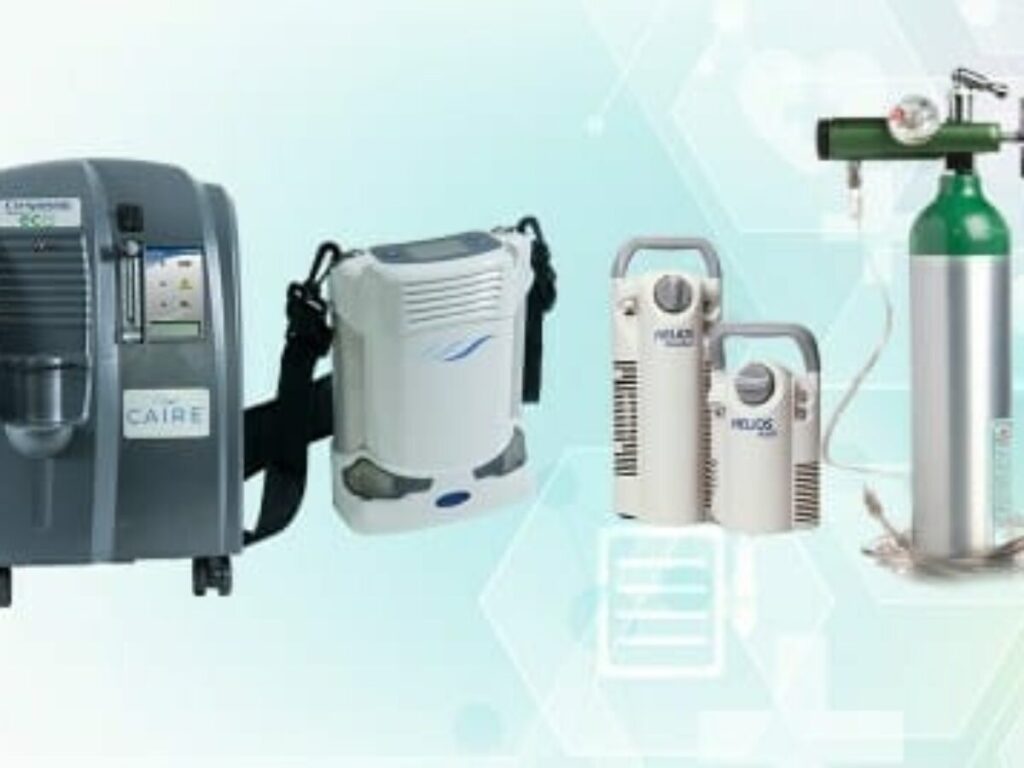
In contrast, oxygen cylinders contain compressed gas. These are essential for backup during power outages or for short-duration high-flow needs. In Melbourne’s urban and suburban settings, many patients utilize a “hybrid” approach—using a stationary concentrator at home and portable cylinders or lightweight POCs (Portable Oxygen Concentrators) for travel.
Key Types of Medical Oxygen Equipment in Melbourne
Choosing the right supply depends on the patient’s mobility, flow rate requirements (liters per minute), and the duration of therapy.
1. Stationary Oxygen Concentrators
These are the workhorses of home respiratory therapy. They are rugid, designed for 24/7 operation, and plug directly into standard Australian power outlets.
Best for: Patients requiring continuous flow at home.
Key Benefit: No need for refills; unlimited oxygen as long as there is power.
2. Portable Oxygen Concentrators (POCs)
POCs have revolutionized patient mobility in Victoria. These battery-operated units allow users to visit the Queen Victoria Market or travel on public transport without hauling heavy tanks.
Pulse Dose Technology: Delivers oxygen only when the patient inhales, conserving battery life.
Flight Approved: Most modern POCs are FAA-approved for international and domestic travel.
3. High-Pressure Cylinders
Available in various sizes (C, D, and E sizes are common), these are used primarily for emergency backup or for patients who require a very high flow rate that a portable concentrator cannot provide.
Feature
Stationary Concentrator
Portable Concentrator (POC)
Gas Cylinders
Mobility
Low (Wheeled)
High (Wearable)
Moderate (Trolley)
Power Source
AC Wall Outlet
Battery / DC Car Charger
None (Compressed Gas)
Oxygen Limit
Unlimited
Battery Dependent
Capacity Dependent
Maintenance
Filter Cleaning
Battery Management
Regular Refills Required
Benefits of Quality Oxygen Supplies
Investing in high-grademedical oxygen supplies offers more than just respiratory support; it impacts the overall quality of life and clinical safety.
Improved Exercise Tolerance: With the right portable equipment, patients can engage in pulmonary rehabilitation and daily walks.
Cognitive Clarity: Proper oxygenation reduces “brain fog” and fatigue associated with hypoxemia.
Reduced Hospital Readmissions: Reliable home setups allow for the stable management of chronic conditions, keeping patients out of Melbourne’s crowded emergency departments.
Safety Compliance: Australian-standard (AS) approved regulators and cylinders prevent leaks and fire hazards.
Real-World Use Cases: Melbourne Clinical Scenarios
Scenario A: The Active Retiree in St Kilda
A patient with mild emphysema wants to maintain an active social life. Their kit includes a lightweight POC with an extra battery pack, allowing for 4–6 hours of freedom. They keep a small “C” size cylinder at home as a “failsafe” backup.
Scenario B: Post-Operative Recovery in Box Hill
A patient recovering from thoracic surgery requires high-flow oxygen for two weeks. A rented stationary concentrator provides a cost-effective, high-output solution without the logistics of frequent cylinder deliveries.
Step-by-Step: Sourcing Oxygen Supplies in Victoria
If you are a caregiver or patient, follow this framework to secure your equipment:
Clinical Assessment: Obtain a pulse oximetry test or Arterial Blood Gas (ABG) test from a respiratory specialist.
Prescription Acquisition: Your doctor must specify the flow rate (L/min) and whether you need oxygen during sleep, exercise, or rest.
Vendor Selection: Look for Melbourne-based providers that offer 24/7 emergency support and technician on-site visits.
Home Safety Audit: Ensure your home has working smoke detectors and that no smoking or open flames (gas stoves) occur near the equipment.
Training: Ensure the provider demonstrates how to clean filters and troubleshoot alarms.
Best Practices for Maintenance and Safety
To ensure the longevity of your medical oxygen equipment and your own safety, adhere to these professional standards:
Tubing Management: Replace nasal cannulas every 2–4 weeks to prevent bacterial buildup.
Distilled Water Only: If using a humidifier bottle, use only distilled water to prevent mineral scale from clogging the flowmeter.
Keep Distance: Maintain at least 2 meters between oxygen sources and heat sources or open flames.
Ventilation: Never operate a concentrator in a small, unventilated closet; the machine needs to “breathe” to pull in fresh oxygen.
Common Mistakes to Avoid
Buying Second-Hand Without Certification: Purchasing used concentrators online can be risky. If the internal sieve beds are depleted, the machine may output air, not medical-grade oxygen.
Ignoring the “No Oil” Rule: Never use oil-based lotions or Vaseline on your face while using oxygen, as these can become combustible in oxygen-rich environments. Use water-based lubricants instead.
Forgetting Backup Power: In areas of Melbourne prone to storm-related outages (like the Dandenongs), always have a manual cylinder backup.
Internal & External Resource Recommendations
To further your understanding of respiratory health and equipment standards, consider these resources:
Internal Link Suggestion:Guide to CPAP Machines and Sleep Apnea Supplies in Australia.
Internal Link Suggestion:How to Maintain Your Portable Oxygen Concentrator.
External Reference:Thoracic Society of Australia and New Zealand (TSANZ) Oxygen Guidelines.
External Reference:Victorian Department of Health – Home Oxygen Program (HOP).
FAQ: Medical Oxygen Supplies
Do I need a prescription for medical oxygen in Melbourne?
Yes. In Australia, medical oxygen is classified as a therapeutic drug. A prescription from a General Practitioner or Specialist is required to purchase or rent equipment.
Can I take my medical oxygen on a plane?
Most airlines allow Portable Oxygen Concentrators (POCs) that are FAA-approved. You must notify the airline in advance and usually provide a medical clearance form. Compressed gas cylinders are generally prohibited in the cabin.
How often do oxygen cylinders need to be tested?
In Australia, high-pressure gas cylinders must undergo hydrostatic testing every 10 years to ensure structural integrity.
What is the difference between “Pulse” and “Continuous” flow?
Continuous flow provides a steady stream of oxygen regardless of breathing patterns. Pulse flow (or demand flow) detects when you take a breath and delivers a “bolus” of oxygen at that exact moment.
How much does it cost to run an oxygen concentrator?
Modern stationary concentrators are relatively efficient. On average, running one 24/7 in Melbourne may add approximately $1.50–$3.00 per day to your electricity bill, depending on your tariff.
Is there government funding for oxygen in Victoria?
The Victorian Home Oxygen Program (HOP) provides subsidized oxygen for eligible permanent residents with chronic clinical needs who meet specific financial and medical criteria.
Conclusion
Selecting the right medical oxygen supplies is a vital step in managing respiratory health and maintaining independence. By choosing high-quality, TGA-approved equipment and adhering to a strict maintenance schedule, patients in Melbourne can enjoy a safer and more active lifestyle.
Whether you require a heavy-duty stationary concentrator for overnight use or a portable solution for exploring the city, always prioritize clinical advice and equipment reliability over cost.
CPAP machines deliver a steady stream of pressurized air through a mask to keep airways open during sleep. These medical devices are the gold standard treatment for obstructive sleep apnea, a condition where throat muscles repeatedly relax and block the airway during sleep.
The technology behind CPAP therapy centers on continuous positive airway pressure. This pressurized air acts as a pneumatic splint, preventing the soft tissues in the throat from collapsing inward. When airways remain open throughout the night, patients experience uninterrupted breathing and better sleep quality.
Core Components of CPAP Systems
A complete CPAP setup includes three essential elements:
Pressure generator: The main unit that draws in room air and pressurizes it to prescribed levels
Heated humidifier: An optional but commonly included component that adds moisture to prevent dryness
Mask interface: A sealed mask that delivers pressurized air, available in nasal, full-face, or nasal pillow designs
Tubing: Flexible hose connecting the generator to the mask
The pressure generator calibrates airflow based on physician-prescribed settings, typically measured in centimeters of water pressure (cmH2O). Most machines operate within a range of 4 to 20 cmH2O, with the exact pressure tailored to each patient’s needs.
Primary Conditions Treated
Obstructive sleep apnea represents the primary indication for CPAP therapy. Patients with OSA experience repeated breathing interruptions throughout the night, leading to:
Fragmented sleep patterns
Daytime fatigue and drowsiness
Increased cardiovascular risks
Cognitive impairment
CPAP therapy may also benefit patients with:
Central sleep apnea (in certain cases)
Complex sleep apnea syndrome
Obesity hypoventilation syndrome
The distinction between CPAP therapy and oxygen supplementation becomes critical here. CPAP addresses mechanical airway obstruction rather than low blood oxygen levels. Patients whose airways collapse during sleep need positive airway pressure to maintain patency, not necessarily additional oxygen.
What Are Oxygen Machines and How Do They Function?
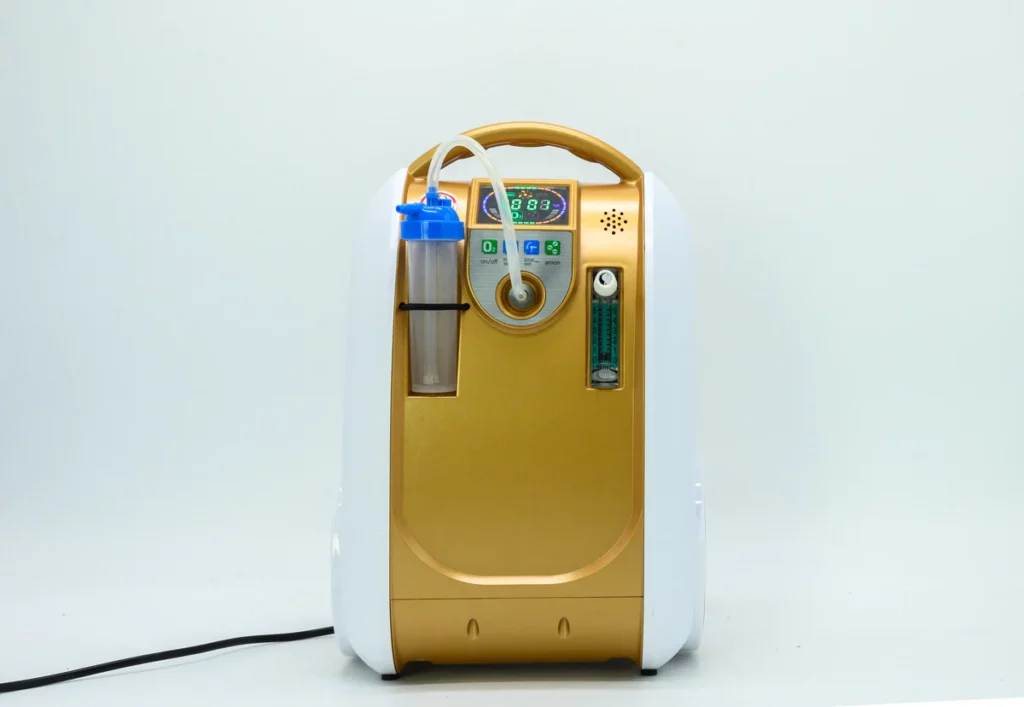
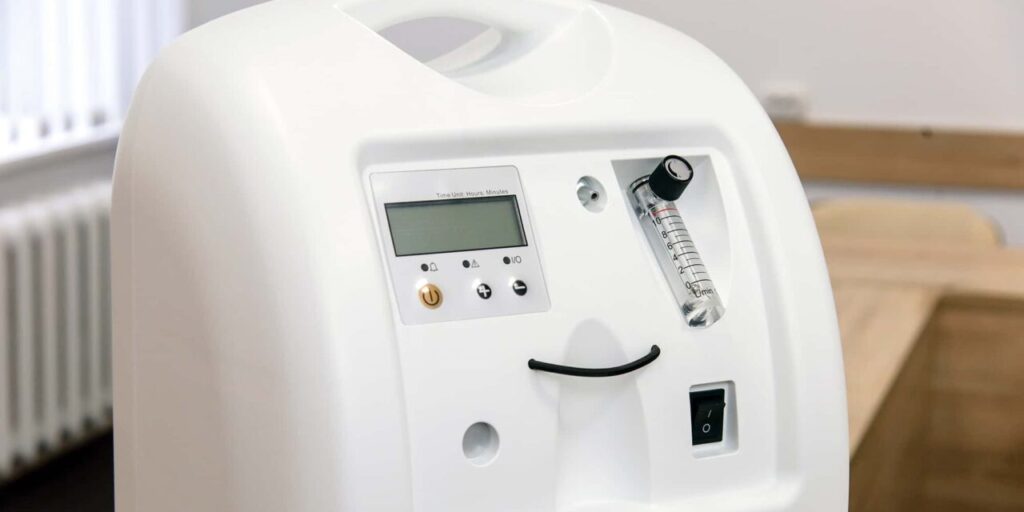
Oxygen machine, also known as oxygen concentrators, deliver supplemental oxygen to patients whose blood oxygen levels fall below healthy ranges. These medical devices extract oxygen from room air, concentrate it to therapeutic levels (typically 87-95% purity), and deliver it directly to patients through nasal cannulas or masks.
The concentration process works through molecular sieve technology or membrane systems. Room air contains approximately 21% oxygen, but concentrators filter out nitrogen and other gases, producing oxygen-enriched air. The device pulls ambient air through filters, compresses it, and passes it through zeolite beds that absorb nitrogen molecules. The purified oxygen then flows to the patient at prescribed rates measured in liters per minute (LPM).
Who Needs Oxygen Therapy?
Patients with hypoxemia treatment needs—those experiencing dangerously low blood oxygen saturation—benefit from oxygen concentrators. Several conditions create this requirement:
Chronic Obstructive Pulmonary Disease (COPD): Damaged lung tissue struggles to transfer oxygen into the bloodstream, requiring long-term supplemental oxygen
Heart failure: Weakened heart function leads to fluid buildup in lungs, reducing oxygen transfer
Severe asthma: Chronic inflammation narrows airways and reduces oxygen intake
Doctors prescribe oxygen therapy when blood oxygen saturation consistently drops below 88-90% at rest or during activity.
Portable vs. Stationary Oxygen Concentrators
There are two main types of oxygen concentrators: stationary and portable.
Stationary Oxygen Concentrators
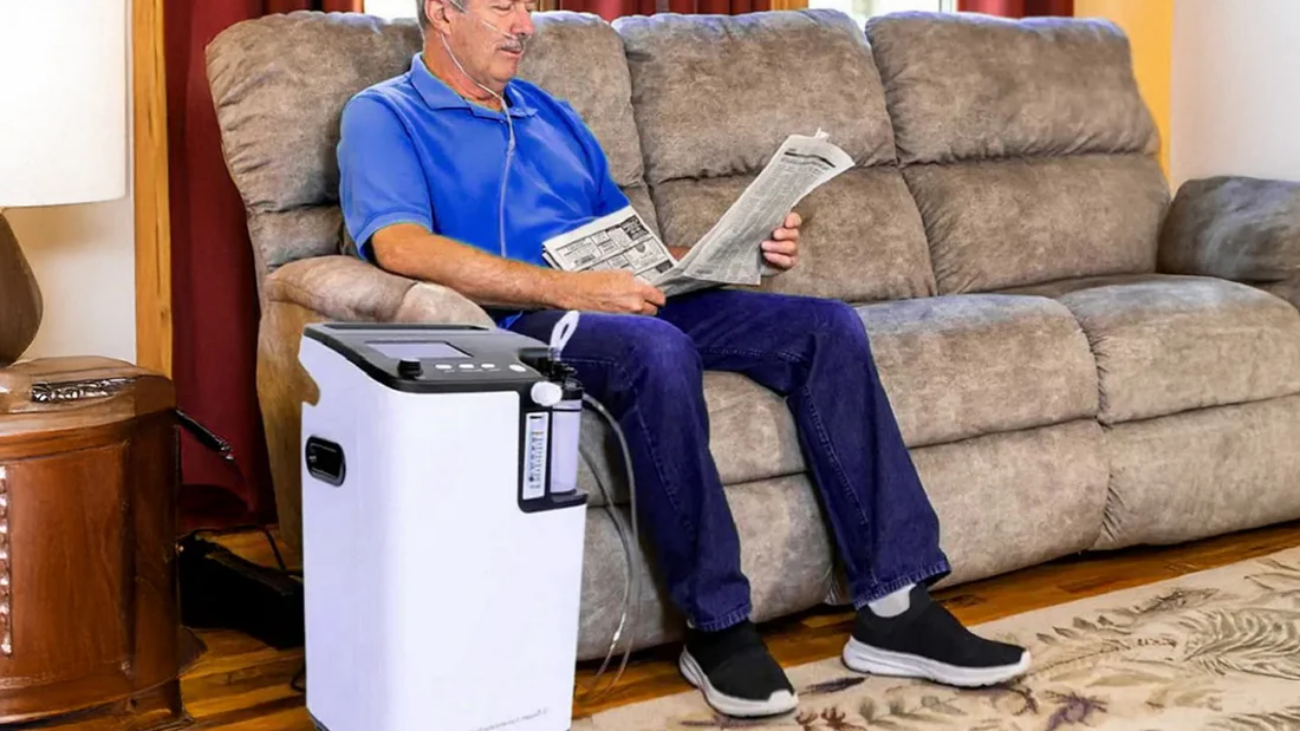
Stationary concentrators remain in one location, typically weighing 30-50 pounds. These units deliver continuous flow oxygen at higher rates (5-10 LPM) and suit patients who spend most time at home. They plug into standard electrical outlets and provide unlimited oxygen as long as power remains available.
Portable Oxygen Concentrators
Portable concentrators weigh 3-10 pounds and run on rechargeable batteries, enabling patient mobility. Most portable units use pulse-dose delivery, releasing oxygen bursts only during inhalation rather than continuous flow. This conserves battery life while still meeting the patient’s needs during activities such as walking or exercising.
How Do CPAP Machines Differ From Oxygen Machines in Therapy Goals?
What problem does each therapy address?
CPAP machines keep the airways open by stopping them from collapsing during sleep, while oxygen machines increase the level of oxygen in the blood of patients who don’t have enough oxygen in their bloodstream. These are two different ways of treating respiratory conditions that focus on different physical issues.
The main difference is in the problem being treated:
CPAP therapy deals with mechanical blockage where the airways close during sleep, stopping airflow even though the air has normal oxygen levels
Oxygen therapy deals with low blood oxygen levels where the airways stay open but the lungs can’t properly oxygenate the blood due to disease or damage
Does the type of breathing problem determine which therapy works?
Yes, the specific breathing issue determines which therapy is chosen. A patient with obstructive sleep apnea has repeated airway blockages that CPAP fixes by using pressurized air as a splint. On the other hand, someone with COPD may breathe normally but needs concentrated oxygen because their damaged lungs can’t get enough oxygen from regular air.
Why can’t these therapies replace each other?
Each therapy targets a specific physiological problem. Using oxygen therapy for airway blockage won’t stop it from collapsing, just like CPAP pressure won’t raise blood oxygen levels when lung function is impaired. Proper diagnosis ensures that patients get the right treatment for their particular condition.
When Is CPAP Therapy Prescribed Instead of Oxygen Therapy?
What conditions lead doctors to prescribe CPAP over oxygen therapy? CPAP therapy is prescribed when obstructive sleep apnea treatment becomes necessary, meaning the patient experiences repeated airway collapse during sleep. Doctors diagnose OSA through sleep studies that reveal breathing interruptions caused by physical blockage rather than insufficient oxygen in the air.
The airway obstruction diagnosis distinguishes CPAP candidates from oxygen therapy patients. When the upper airway tissues relax and block airflow during sleep, the body needs mechanical support to keep passages open. Blood oxygen levels may drop during these episodes, but the root cause is physical obstruction, not lung disease or oxygen deficiency.
Therapy prescription criteria for CPAP include:
Apnea-Hypopnea Index (AHI) of 5 or more events per hour
Documented airway collapse during sleep studies
Symptoms like loud snoring, gasping during sleep, or daytime fatigue
Normal lung function with adequate oxygen exchange when airways remain open
Pressure adjustments follow a personalized approach based on patient response. Initial settings typically range from 4 to 20 cm H2O, with titration studies determining the optimal pressure needed to eliminate apnea events. Patients return for follow-up assessments where doctors review compliance data and adjust settings to maximize comfort while maintaining airway patency throughout sleep cycles.
When Is Oxygen Therapy Preferred Over CPAP Treatment?
Oxygen therapy becomes the primary treatment when patients experience hypoxemia—persistently low blood oxygen levels—rather than airway obstruction. Doctors prescribe supplemental oxygen usage for conditions like chronic obstructive pulmonary disease (COPD), pulmonary fibrosis, severe pneumonia, and heart failure where the lungs cannot adequately oxygenate blood.
Understanding Chronic Lung Diseases
Chronic lung diseases are conditions that affect the lungs and airways over a long period, leading to difficulty in breathing and reduced airflow. These diseases often require ongoing management to ensure optimal lung function and overall well-being.
Some common examples of chronic lung diseases include:
Chronic obstructive pulmonary disease (COPD): A progressive lung disease characterized by airflow limitation, usually caused by smoking or long-term exposure to irritants.
Pulmonary fibrosis: A condition where lung tissue becomes scarred and thickened, making it difficult for the lungs to function properly.
Severe pneumonia: An infection that inflames the air sacs in one or both lungs, causing symptoms such as cough, fever, and difficulty breathing.
Heart failure: A condition where the heart is unable to pump blood effectively, leading to fluid buildup in the lungs and impaired oxygen exchange.
How Oxygen Therapy Helps
In these chronic lung conditions, although the airways remain open, there is a problem with gas exchange at the alveolar level—the tiny air sacs in the lungs where oxygen enters the bloodstream and carbon dioxide is removed. Oxygen therapy aims to address this issue by delivering supplemental oxygen directly to the patient.
Patients with these conditions typically maintain open airways but struggle with gas exchange at the alveolar level. Blood oxygen saturation readings below 88% at rest or during activity often trigger oxygen therapy prescriptions.
The Importance of Long-Term Oxygen Therapy
Long-term oxygen therapy considerations extend beyond immediate symptom relief. Patients requiring continuous oxygen typically use their concentrators for 15+ hours daily, including during sleep and physical activity. This extended use helps prevent complications like pulmonary hypertension and reduces strain on the heart.
The role of oxygen concentrators in managing chronic respiratory diseases centers on maintaining adequate oxygen saturation levels throughout daily activities. Stationary units serve home-based needs, while portable concentrators enable mobility and improved quality of life. Unlike CPAP machines that apply pressure to prevent airway collapse, oxygen concentrators simply enrich the air patients breathe with higher oxygen concentrations—addressing deficient oxygen levels rather than mechanical obstruction.
Diagnostic Tests for Hypoxemia Management
Prescription decisions depend on diagnostic tests measuring blood oxygen levels, including pulse oximetry and arterial blood gas analysis, which reveal whether hypoxemia management requires intervention.
Can Patients Use Both CPAP and Oxygen Machines Simultaneously?
Yes, patients can use combined respiratory therapies when their medical condition requires both airway support and supplemental oxygen. Some individuals with severe obstructive sleep apnea also experience low blood oxygen levels during sleep, making dual device usage medically necessary.
Patients with overlap syndrome—a combination of OSA and COPD—frequently benefit from simultaneous therapy. Those with heart failure, pulmonary hypertension, or severe lung disease may also require both treatments to maintain adequate oxygen levels while keeping airways open.
Why Medical Evaluation Matters for Combined Treatment
A thorough medical assessment determines whether patient-specific treatment plans should include both devices. Sleep studies measuring oxygen saturation alongside apnea events help physicians identify candidates for dual therapy. Blood gas analysis and pulmonary function tests provide additional data for treatment decisions.
Healthcare providers must carefully calibrate both devices to work together effectively. The oxygen flow rate and CPAP pressure settings require precise adjustment to avoid complications.
Benefits and Challenges of Using Both Devices
Combined therapy offers significant advantages:
Improved oxygen saturation throughout the night
Reduced strain on the cardiovascular system from repeated apnea events
Better sleep quality and daytime functioning
Challenges include equipment complexity, increased maintenance requirements, and higher costs. Patients must manage two separate devices, which demands proper training and ongoing support from respiratory therapists. Some individuals find the combined setup cumbersome, particularly when traveling. Click here to get more about buying CPAP machines safely: tips for choosing a trusted supplier.
What Should Patients Consider When Choosing Between CPAP and Oxygen Machines?
The choice between CPAP and oxygen therapy depends on your medical diagnosis and specific respiratory condition. Your doctor will determine whether you have airway obstruction during sleep or low blood oxygen levels through tests like sleep studies or pulse oximetry.
Key Therapy Selection Criteria
Your symptoms provide important clues about which device you need:
Loud snoring, witnessed breathing pauses, and excessive daytime sleepiness typically indicate CPAP therapy for sleep apnea.
Shortness of breath, chronic cough, and low oxygen saturation readings suggest a need for oxygen therapy.
Lifestyle factors also play a significant role in deciding which respiratory device is right for you:
Portability needs: If you’re an active person who travels frequently or has a busy lifestyle, lightweight and portable options may be necessary.
Noise tolerance: Some users find the operational sounds produced by CPAP machines disruptive, so it’s important to consider your sensitivity to noise.
Maintenance commitment: Both CPAP and oxygen machines require regular cleaning, filter changes, and equipment checks. Make sure you’re willing to invest time in maintaining the device.
Insurance coverage: Different therapies may have varying coverage requirements and out-of-pocket costs. Check with your insurance provider to understand what is covered.
The Role of Professional Guidance
Proper selection and fitting of respiratory devices are crucial for patient comfort and compliance. Respiratory therapists can assist in adjusting mask styles, pressure settings, or oxygen flow rates to optimize the effectiveness of therapy. They also provide training on how to operate the equipment and troubleshoot common issues.
It’s important to remember that self-diagnosis or switching therapies without consulting a medical professional can have negative consequences. Using the wrong device may worsen your condition or lead to new health complications.
Why Is It Important to Buy CPAP Machines from Authorized Sellers?
Purchasing from authorized CPAP sellers guarantees you receive authentic CPAP machines backed by manufacturer warranties and proper customer support. Authorized retailers maintain direct relationships with manufacturers, ensuring every device meets quality standards and comes with legitimate documentation.
Protecting Your Investment Through Authenticity
Counterfeit medical devices pose serious health risks that extend beyond wasted money. Authentic CPAP machines undergo rigorous testing and quality control processes before reaching consumers. When you buy from authorized sources, you receive:
Genuine manufacturer warranties covering defects and malfunctions
Certified safety standards meeting FDA regulations
Accurate pressure settings calibrated to medical specifications
Quality materials designed for long-term nightly use
Unauthorized sellers cannot provide these assurances. The equipment may look identical to legitimate products but could contain inferior components that fail during critical therapy hours.
The Warranty Coverage Advantage
Manufacturer warranties typically span 2-5 years depending on the device and component. This warranty coverage becomes void when purchasing through unauthorized channels. Authorized retailers process warranty claims directly with manufacturers, streamlining repairs or replacements.
The financial protection matters significantly given CPAP machine costs between $500 to $1,000. A warranty ensures your investment remains protected against manufacturing defects without additional out-of-pocket expenses. Unauthorized purchases leave you responsible for all repair costs, potentially requiring a complete replacement within months.
Benefits of Manufacturer Websites and Authorized Retailers
Direct manufacturer websites and certified retailers offer distinct advantages for those looking to buy CPAP machines safely:
Product Selection and Expertise
Authorized sellers stock the complete range of current models with access to the latest technology. Their staff receives manufacturer training to answer technical questions and recommend appropriate equipment based on your prescription requirements.
Insurance Processing
These suppliers understand insurance billing codes and documentation requirements. They handle claims submission and communicate directly with insurance providers, reducing your administrative burden. Many process Medicare claims seamlessly, ensuring maximum coverage benefits.
Customer Support Infrastructure
Authorized channels maintain dedicated support teams familiar with specific models. They provide troubleshooting assistance, replacement part ordering, and technical guidance throughout your equipment’s lifespan.
What Role Does a Prescription Play in Purchasing CPAP Machines?
A prescription is required when purchasing CPAP machines for legal and medical reasons. The FDA classifies CPAP devices as Class II medical equipment, which means that buyers must have a valid prescription from a licensed healthcare provider in order to complete their purchase. This requirement exists to protect patients from using incorrect pressure settings that could make their condition worse or cause harm.
How the Prescription Process Works
The prescription process begins with a sleep study, which can be done either in a clinic or through an at-home sleep test. A qualified physician reviews the results of the sleep study and determines the specific therapy pressure settings that are appropriate for each patient. This personalized approach ensures that the CPAP machine delivers the correct amount of air pressure to keep the patient’s airways open during sleep, effectively treating their obstructive sleep apnea without over-treating or under-treating the condition.
Why Federal Law Requires Prescriptions
Federal law prohibits the sale of CPAP machines without a valid prescription in order to prevent self-diagnosis and improper treatment. Sleep apnea can vary in severity, and using incorrect pressure settings on the CPAP machine can lead to complications such as ineffective therapy or strain on the cardiovascular system. The requirement for a prescription acts as a safeguard, ensuring that a medical professional has evaluated the patient’s condition and determined that CPAP therapy is the appropriate course of treatment.
State Regulations and Supplier Responsibilities
In addition to federal law, state regulations also reinforce the requirement for prescriptions when selling CPAP machines. These regulations impose penalties on suppliers who sell these devices without proper documentation. Reputable suppliers understand the importance of verifying prescriptions before processing orders, so they may request either a direct prescription from your doctor or authorization to contact your healthcare provider for confirmation.
What Equipment Requires a Prescription?
It’s important to know which items require a prescription and which ones are available over-the-counter when buying CPAP equipment:
Prescription Required:
CPAP machines and BiPAP devices
Full face masks
Nasal masks
Nasal pillow masks
Heated humidifiers (when integrated with the machine)
Available Without Prescription:
Replacement mask cushions
Headgear straps
Tubing and hoses
Filters (disposable and reusable)
Cleaning supplies and wipes
Distilled water for humidifiers
This distinction allows users to maintain their equipment without having to visit their doctor repeatedly, while still ensuring that there is medical oversight for the essential components of their therapy.
Why Should Buyers Avoid Third-Party Marketplaces and Private Sellers?
When buying CPAP equipment, it’s best to steer clear of third-party marketplaces and private sellers. These unofficial channels come with significant risks that can put your health and safety in jeopardy.
What Makes Counterfeit CPAP Equipment So Dangerous?
Counterfeit CPAP machines may look identical to authentic models but contain inferior components that compromise therapy effectiveness. These fake devices often fail to deliver the prescribed air pressure consistently, leaving sleep apnea untreated and putting users at continued health risk. The electrical components in counterfeit machines may not meet safety standards, creating fire hazards or electrical shock risks during nightly use.
Substandard equipment from unauthorized sources frequently exhibits:
Inaccurate pressure calibration that fails to maintain therapeutic levels
Poor-quality materials that break down quickly or release harmful particles
Missing safety certifications required by regulatory agencies
Incompatible parts that don’t work with standard accessories
How Does Lack of Warranty Protection Impact Buyers?
Private seller risks include the complete absence of manufacturer warranties and guarantees. When CPAP machines malfunction or fail, buyers from unofficial channels have no recourse for repairs or replacements. Authorized retailers provide warranty coverage that protects your investment, typically ranging from one to three years depending on the manufacturer.
Customer support becomes nonexistent when problems arise with equipment purchased through third-party CPAP sellers. Technical questions go unanswered, troubleshooting assistance remains unavailable, and software updates that improve machine performance never reach these devices. This isolation leaves users struggling alone with equipment issues that could compromise their therapy.
What Hidden Dangers Lurk in Used CPAP Machines?
Used CPAP machines from private sellers carry serious hygiene concerns that buyers often overlook. These devices require thorough professional sanitization between users, a process most private sellers cannot or do not perform. Bacteria, mold, and viral particles can survive inside the machine’s internal components, tubing connections, and humidifier chambers.
The previous user’s respiratory secretions, skin cells, and environmental contaminants may contaminate every breath you take through improperly sanitized equipment. Sleep apnea patients already face compromised health
How Do Costs and Insurance Affect the Purchase of CPAP Machines?
CPAP machine cost varies significantly depending on the type and features you need. Standard CPAP machines typically range from $500 to $1,000, while BiPAP machines command higher prices due to their advanced dual-pressure technology. Understanding these price points helps you budget appropriately and avoid overpaying from untrusted suppliers.
Understanding Equipment Pricing
Masks represent another substantial expense in your sleep apnea therapy journey. Depending on the style—nasal pillows, nasal masks, or full-face masks—you’ll spend between $50 and $200 per mask. The specific design you require depends on your breathing patterns, sleep position, and personal comfort preferences.
The initial machine purchase is just the beginning of your financial commitment. Replacement parts and accessories create ongoing costs that many first-time buyers overlook:
Filters: Need replacement every 1-3 months ($5-$15 each)
Tubing: Should be replaced every 3-6 months ($15-$30)
Mask cushions: Require replacement every 1-3 months ($20-$50)
Water chambers: Need replacement every 6 months ($15-$35)
Headgear: Should be replaced every 6 months ($20-$40)
These recurring expenses can add $300-$500 annually to your therapy costs, making it essential to factor them into your long-term budget when choosing a supplier.
Navigating Insurance Coverage for CPAP
Insurance coverage for CPAP equipment can substantially reduce your out-of-pocket expenses, but coverage varies widely between plans. Most private insurance plans cover 80-100% of CPAP machine costs after you meet your deductible, though specific terms depend on your policy details.
Medicare CPAP benefits follow a rental-to-own model that differs from typical insurance approaches. Medicare Part B covers 80% of the approved amount for CPAP equipment after you meet your Part B deductible. The program requires a 13-month rental period before you own the machine outright, with specific compliance requirements you must meet during the first three months.
Pros and Cons of Buying CPAP Machines Online vs In-Store
Online vs in-store CPAP shopping has its own benefits depending on what you value most and how comfortable you are with technology. Online retailers usually have lower prices and a wide selection of models from different manufacturers, while physical stores offer the advantage of trying out the equipment right away.
Why Choose Online CPAP Shopping?
Digital platforms excel at product variety and price comparison. Online suppliers maintain extensive inventories without the space constraints of brick-and-mortar locations, giving buyers access to the latest models and discontinued units at discounted rates. Price transparency becomes simpler when you can view dozens of options simultaneously, often saving $100-300 compared to retail prices.
Virtual consultations for CPAP therapy have transformed the online buying experience. Many authorized online retailers now connect customers with licensed respiratory therapists through video calls, eliminating the need for in-person appointments. These specialists review your prescription, discuss your sleep patterns, and recommend appropriate machines and mask styles based on your specific needs.
Insurance processing through online channels often moves faster than traditional methods. Digital suppliers frequently handle the entire claims submission process, uploading your prescription and insurance information directly to providers. This streamlined approach reduces paperwork errors and accelerates approval times, sometimes delivering equipment within 3-5 business days of prescription verification.
Customer reviews and detailed product comparisons provide valuable insights unavailable in physical stores. Reading experiences from hundreds of verified users helps identify common issues with specific models, such as noise levels or mask seal problems, before making a purchase commitment.
What Makes In-Store Shopping Valuable?
Hands-on mask fitting represents the primary advantage of visiting physical CPAP suppliers. Respiratory therapists can place multiple mask styles on your face, checking for proper seal, comfort, and compatibility with your facial structure. This trial process identifies pressure points, strap positioning issues, and size discrepancies that aren’t apparent from online photos or size charts.
Immediate personalized guidance from trained staff addresses concerns that virtual consultations might miss. In-store specialists observe your breathing patterns, facial features, and sleeping position preferences to recommend equipment combinations you might not discover through online research. They can demonstrate machine operation, explain maintenance procedures, and answer questions in real-time.
Physical locations allow you to examine build quality, feel material
What Support Services Should Trusted Suppliers Provide?
Reliable CPAP suppliers distinguish themselves through comprehensive CPAP product support that extends well beyond the initial sale. Quality support services protect your investment and ensure successful therapy outcomes.
Warranties and Trial Return Periods
Reputable suppliers offer manufacturer warranties covering defects and malfunctions for specified periods, typically ranging from one to three years depending on the equipment. These warranty and return policies provide financial protection against unexpected equipment failures and manufacturing issues.
Trial periods serve as essential safety nets for new CPAP users. Most trusted suppliers provide 30 to 90-day satisfaction guarantees allowing returns or exchanges if the equipment doesn’t meet expectations. This risk-free approach lets users test different mask styles and machine settings without committing to unsuitable equipment. Some suppliers even extend trial periods for masks specifically, recognizing that finding the right fit often requires experimentation.
Return policies should clearly outline:
Acceptable reasons for returns
Timeframes for initiating returns
Restocking fees if applicable
Refund processing timelines
Exchange options for different equipment
Troubleshooting Assistance and Technical Support
Access to knowledgeable customer service for CPAP users proves invaluable when technical issues arise. Trusted suppliers maintain support teams trained in sleep therapy equipment who can diagnose problems remotely and provide solutions without requiring immediate equipment replacement.
Quality technical support addresses common challenges including:
Mask leakage problems and fitting adjustments
Pressure setting concerns and comfort optimization
Machine error codes and operational issues
Humidifier functionality and water chamber questions
Data card reading and therapy compliance tracking
The best suppliers offer multiple contact channels including phone support, email assistance, live chat options, and comprehensive online knowledge bases. Support availability during extended hours or 24/7 access demonstrates a supplier’s commitment to user success, particularly important for users experiencing urgent equipment problems affecting their nightly therapy.
Communication Standards Before and After Purchase
Responsive communication separates exceptional suppliers from mediocre ones. Before purchase, trusted suppliers answer questions about equipment compatibility, insurance coverage, and product specifications without pressuring buyers into immediate decisions.
Pre-purchase communication should include:
Clear explanations of prescription requirements
Transparent pricing
How Telehealth Providers Enhance the Safe Purchase Experience
Telehealth sleep apnea services streamline the entire CPAP acquisition process by eliminating multiple in-person appointments while maintaining medical oversight. These providers offer end-to-end solutions that begin with diagnosis and extend through equipment delivery and ongoing therapy management. The convenience factor combines with safety protocols to create a purchasing pathway that protects buyers from unauthorized sellers.
Complete Diagnostic and Prescription Services
Virtual doctor consultation for CPAP prescription begins with home sleep tests that patients complete in their own bedrooms. These FDA-cleared testing devices measure breathing patterns, oxygen levels, and sleep disruptions without requiring overnight stays at sleep clinics. Licensed sleep specialists review the data remotely and issue prescriptions when medically appropriate, ensuring buyers receive proper diagnoses before equipment purchases.
The diagnostic process through telehealth typically includes:
At-home testing kits shipped directly to patients with detailed usage instructions
Data analysis by board-certified sleep physicians within 3-5 business days
Virtual consultations to discuss results and treatment recommendations
Electronic prescriptions sent directly to equipment suppliers
This comprehensive approach prevents the common mistake of purchasing CPAP equipment without proper medical evaluation. Buyers receive documentation proving their need for therapy, which authorized suppliers require before processing orders.
Simplified Equipment Delivery and Insurance Processing
Telehealth providers partner with authorized CPAP suppliers to coordinate equipment delivery after prescription approval. These partnerships ensure patients receive authentic machines backed by manufacturer warranties rather than counterfeit products from questionable sources. The integration between medical services and equipment suppliers creates accountability throughout the purchase chain.
Insurance claims handling represents a significant advantage of telehealth services. Providers submit necessary documentation to insurance companies, verify coverage amounts, and calculate patient responsibility before equipment ships. This transparency helps buyers understand actual costs rather than discovering surprise bills after delivery.
Many telehealth platforms offer:
Direct billing to insurance companies including Medicare
Pre-authorization assistance for policies requiring approval
Payment plan options for out-of-pocket expenses
Coordination with HSA/FSA accounts for tax-advantaged spending
The administrative support provided by these platforms significantly reduces the burden on patients navigating complex insurance requirements. According to CMS guidelines, this includes avoiding the risk of purchasing equipment that insurance won’t cover or dealing with reimbursement paperwork independently.
What Safety Tips Should Buyers Follow When Choosing a Supplier?
Safe CPAP purchase tips begin with verifying that suppliers require a valid prescription before processing any machine or mask order. Legitimate retailers will ask for prescription documentation upfront, demonstrating their compliance with medical device regulations and commitment to patient safety. This requirement serves as an immediate indicator of a trustworthy supplier.
Prescription Verification as a Trust Signal
Suppliers who bypass prescription requirements often operate outside regulatory frameworks, potentially exposing buyers to counterfeit equipment or devices that haven’t undergone proper safety testing. A reputable supplier will have established processes for receiving and verifying prescriptions, whether through direct upload portals, fax systems, or coordination with healthcare providers. Some may offer telehealth consultations to obtain prescriptions, which adds another layer of legitimacy to their operations.
Evaluating Shipping and Support Infrastructure
Choosing a reliable CPAP supplier requires examining their shipping policies and customer service capabilities before making a purchase. Reliable suppliers clearly outline delivery timeframes, shipping costs, and packaging methods that protect equipment during transit. They should offer tracking information and insurance options for high-value orders.
Customer service responsiveness reveals much about a supplier’s commitment to buyer satisfaction. Test their support channels by asking questions about products, warranties, or insurance processing before placing an order. Quick, knowledgeable responses indicate a supplier invested in customer relationships. Look for multiple contact methods:
Phone support with reasonable wait times
Email responses within 24-48 hours
Live chat functionality during business hours
Comprehensive FAQ sections addressing common concerns
Researching Supplier Reputation Through Reviews
Verified customer reviews provide invaluable insights into real purchasing experiences and long-term supplier reliability. Focus on reviews from verified purchasers on independent platforms rather than testimonials displayed solely on the supplier’s website. Pay attention to patterns in feedback regarding product authenticity, delivery accuracy, and post-purchase support quality.
Recent reviews carry more weight than older testimonials, as they reflect current business practices and inventory quality. Look for detailed reviews that mention specific aspects like packaging quality, equipment condition upon arrival, and resolution of any issues. Red flags include numerous complaints about receiving incorrect items, poor communication, or difficulties with returns and warranties.
Understanding Risks of Used and Refurbished Equipment
Avoid used/refurbished CPAP equipment unless you can verify its history and condition through trusted sources. While these options may be more affordable, they come with inherent risks such as unknown wear-and-tear or lack of warranty coverage. If considering used purchases, prioritize reputable sellers who provide detailed descriptions and photos of the items being sold.
Refurbished devices can be a viable alternative when sourced from authorized manufacturers or certified refurbishers offering guarantees on performance standards. Always request documentation proving refurbishment processes undertaken before finalizing any transactions involving pre-owned machines or masks.
By following these safety tips when choosing a CPAP supplier—verifying prescription requirements as trust signals evaluating shipping/support infrastructure researching reputation through reviews understanding risks associated with used/refurbished equipment—you’ll enhance your chances of finding reliable sources for purchasing quality sleep apnea products while minimizing potential pitfalls along the way!
How Does Proper Use Impact the Effectiveness of a New CPAP Machine?
Proper use directly determines whether your CPAP therapy succeeds or fails. Even the highest-quality machine from the most trusted supplier won’t deliver results if you don’t use it correctly. Three critical factors—mask fit, humidity control, and equipment hygiene—separate effective therapy from frustrating nights of poor sleep.
Why Does Proper CPAP Mask Fit Matter?
A proper CPAP mask fit prevents air leaks that undermine therapy effectiveness. When your mask doesn’t seal correctly against your face, pressurized air escapes instead of keeping your airway open. This creates multiple problems:
Reduced therapeutic pressure that fails to prevent apnea events
Noisy air leaks that disturb your sleep and your partner’s
Skin irritation from overtightening straps to compensate for poor fit
Dry eyes when air escapes upward toward your face
Most CPAP users need to try several mask styles before finding their ideal match. Full-face masks work well for mouth breathers, while nasal pillows suit those who feel claustrophobic. Nasal masks offer a middle ground. Your face shape, sleeping position, and breathing patterns all influence which style provides the best seal.
Adjusting your mask shouldn’t require excessive tightening. The straps should feel snug but comfortable, with just enough tension to maintain a seal when you move during sleep. Many users make the mistake of overtightening, which actually increases leaks by distorting the mask cushion’s shape. Check out more about CPAP Machines vs Oxygen Machines: Understanding the Difference in Therapy Needs.
What Are the Humidifier Benefits for CPAP Users?
Humidifier benefits for CPAP users extend beyond simple comfort. The continuous airflow from CPAP machines dries out your nasal passages and throat, causing irritation that makes therapy difficult to tolerate. Heated humidification adds moisture to the pressurized air, preventing these issues.
Dry airways create several problems that discourage consistent CPAP use:
Nasal congestion that makes breathing through the mask uncomfortable
Sore throat upon waking that persists throughout the morning
Nosebleeds from dried, irritated nasal passages
Incorporating a humidifier into your CPAP setup can alleviate these symptoms and enhance overall comfort during therapy.
What Are the Long-Term Benefits of Using a Reliable CPAP Machine?
Consistent CPAP therapy delivers measurable health improvements that extend far beyond better sleep. Patients who use their machines regularly experience reduced cardiovascular risks, lower blood pressure, and decreased likelihood of stroke or heart attack. The long-term benefits of CPAP therapy include normalized oxygen levels during sleep, which prevents the strain on your heart caused by repeated breathing interruptions.
Daytime sleepiness diminishes significantly within weeks of starting treatment. Users report sharper mental clarity, improved concentration at work, and better mood stability. These cognitive benefits stem from achieving restorative deep sleep cycles that were previously disrupted by apnea events throughout the night.
Physical Health Transformations
Managing obstructive sleep apnea with CPAP creates a cascade of positive health outcomes:
Cardiovascular protection: Regular use reduces inflammation markers and stabilizes heart rhythm patterns
Reduced morning headaches: Consistent oxygen flow eliminates the carbon dioxide buildup causing head pain
Studies show patients using CPAP therapy for five or more hours nightly experience the most dramatic health improvements. The therapy works cumulatively, with benefits compounding over months and years of consistent use.
Quality of Life Enhancements
Improved quality of life with CPAP extends into every aspect of daily living. Relationships strengthen when partners no longer endure disruptive snoring or worry about breathing pauses. Many users rediscover energy for hobbies, exercise, and social activities they’d abandoned due to chronic fatigue.
Professional performance often improves as concentration sharpens and productivity increases. The mental fog that characterized pre-treatment life lifts, allowing clearer decision-making and faster reaction times. Users frequently report feeling “like themselves again” after years of struggling with undiagnosed or untreated sleep apnea.
Sexual function may improve in both men and women, as better sleep supports hormonal balance and increased energy levels. The psychological burden of constant exhaustion lifts, reducing anxiety and depression symptoms commonly associated with untreated sleep apnea.
Looking for a sleep study in Sydney? Discover everything about sleep testing Sydney, including cost, methods, home sleep studies, and bulk-bill options for sleep apnea tests. Learn where to get tested and how to save on costs in Sydney.
Introduction: The Importance of Sleep Testing in Sydney
In today’s fast-paced world, sleep disorders like sleep apnea are becoming increasingly common. If you’re struggling with poor sleep, excessive daytime tiredness, or snoring, a sleep test in Sydney might be the solution you need. Sleep testing Sydney is crucial for diagnosing conditions like sleep apnea, a condition that can affect your overall health if left untreated.
This article will guide you through everything you need to know about sleep testing in Sydney—from the cost of a sleep study Sydney to the available testing methods and where to go for your test. Whether you’re looking for bulk-bill sleep study Sydney options or considering a home sleep study Sydney, we’ve got you covered.
What is a Sleep Test in Sydney?
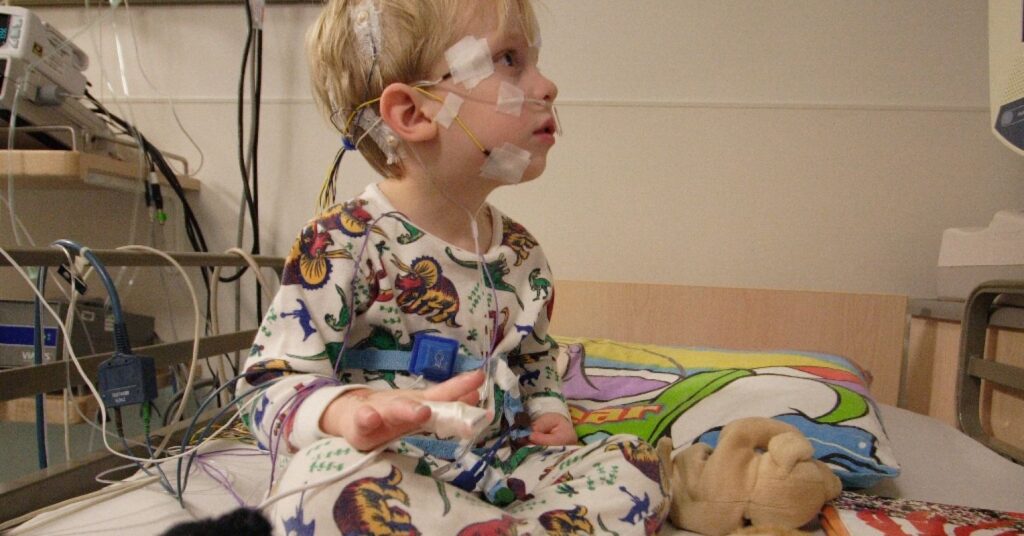
A sleep study Sydney is a diagnostic test that helps healthcare providers identify sleep disorders, including sleep apnea, narcolepsy, and restless leg syndrome. During a sleep test, various body functions such as breathing, heart rate, oxygen levels, and brain activity are monitored to assess whether there are any disruptions to your sleep.
Types of Sleep Tests in Sydney
There are several types of sleep testing Sydney, including in-clinic studies and home sleep studies:
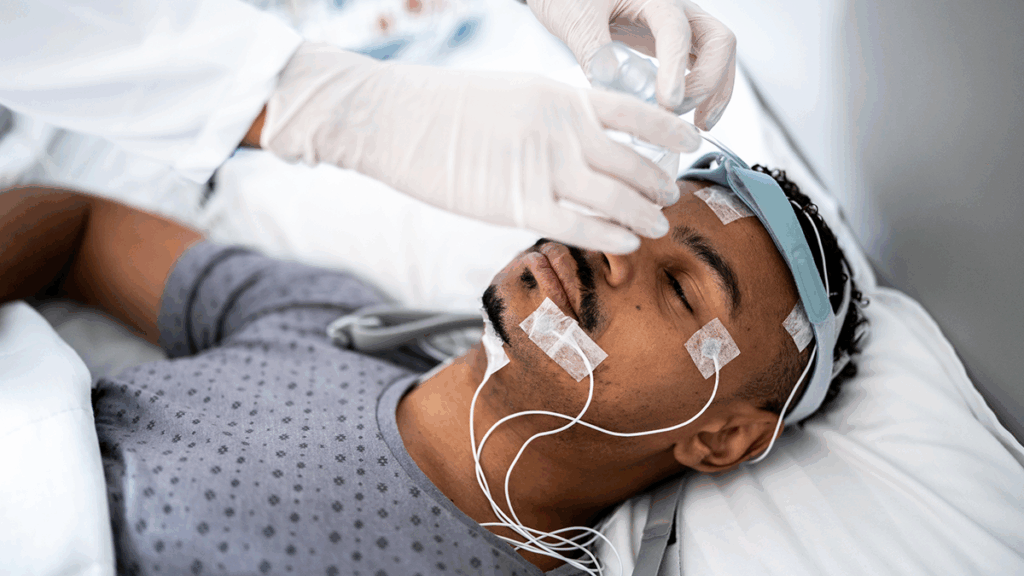
Polysomnography (In-Clinic Sleep Study): This is the most comprehensive sleep test, typically done in a medical facility. It records brain activity, heart rate, breathing patterns, and eye movements while you sleep.
Home Sleep Study Sydney: For those who prefer the comfort of their own home, a home sleep study Sydney involves using portable equipment to monitor breathing, oxygen levels, and heart rate during sleep. While less detailed than in-clinic studies, it can still provide valuable insights, especially for sleep apnea test Sydney.
Sleep Study Sydney Cost: What to Expect
One of the main factors people consider when opting for a sleep study Sydney is the cost. Sydney sleep study cost varies depending on the type of test and provider, with prices ranging from affordable to quite expensive. Here’s what you can expect:
In-Clinic Sleep Study Costs
An in-clinic sleep study Sydney typically costs between $1,000 and $2,500. The price includes the test itself, monitoring equipment, and analysis by a sleep specialist. However, many clinics in Sydney offer bulk-bill sleep study Sydney for eligible patients, making the process more affordable.
Home Sleep Study Sydney Costs
A home sleep study Sydney is usually more affordable, with prices ranging from $300 to $600. The sleep study cost Sydney is significantly lower because there are no in-hospital fees, and the equipment is often simpler to use. Many people with mild to moderate sleep apnea opt for home sleep study Sydney as it offers an effective diagnosis at a lower cost.
Bulk-Bill Sleep Study Sydney
For those with Medicare or private health insurance, bulk-bill sleep study Sydney is a cost-saving option. Under bulk-billing, the cost of a sleep study in Sydney may be fully covered by Medicare, leaving you with no out-of-pocket expenses. Be sure to confirm with your provider whether they offer bulk-billing options.
Methods of Sleep Testing in Sydney: Which One is Right for You?
When it comes to sleep testing Sydney, there are two main methods: in-clinic polysomnography and home sleep studies. Each method has its advantages, and the right one for you depends on your symptoms and preferences.
Polysomnography (In-Clinic Sleep Study)
Polysomnography is the most thorough method for diagnosing sleep disorders. During an in-clinic sleep test Sydney, you will be hooked up to various monitoring devices that record brain waves, muscle activity, heart rate, and breathing patterns. This type of sleep testing Sydney is typically used for complex sleep disorders or when the doctor needs detailed information.
Pros:
Most comprehensive test for diagnosing sleep apnea
Monitors multiple factors in real-time
Cons:
More expensive
Requires you to spend the night at a clinic, which some may find uncomfortable
Home Sleep Study Sydney
A home sleep study Sydney is an excellent option for people who suspect they have sleep apnea but do not need the comprehensive data that comes with an in-clinic test. This type of test allows you to monitor your sleep at home using a small, portable device that measures your oxygen levels, heart rate, and breathing patterns.
Pros:
More affordable
No need to leave your home
Easier to arrange
Cons:
Less detailed compared to in-clinic tests
May not detect other underlying sleep disorders
Where to Get a Sleep Study in Sydney?
There are several reputable clinics and hospitals in Sydney offering sleep testing Sydney. Some of the most well-known providers include:
Sydney Sleep Centre: A leading sleep clinic offering both in-clinic and home sleep study Sydney options. They provide a comprehensive approach to diagnosing and treating sleep disorders.
The Royal Prince Alfred Hospital: Known for its excellent sleep disorder services, RPA offers bulk-bill sleep study Sydney options for eligible patients through Medicare.
Sleep Health Foundation: Offering sleep apnea test Sydney, the Sleep Health Foundation is dedicated to providing affordable sleep studies and support for individuals suffering from sleep disorders.
When selecting a provider, be sure to check if they offer bulk-bill sleep study Sydney or if your insurance will cover the cost of the sleep study Sydney cost.
Conclusion: Choose the Right Sleep Study for Better Sleep Health
A sleep study Sydney is an essential diagnostic tool for identifying and managing sleep disorders like sleep apnea. Whether you opt for an in-clinic polysomnography or a home sleep study Sydney, both methods can help you get the answers you need to improve your sleep health. With varying costs for both types of tests, home sleep study Sydney offers a more affordable option, while bulk-bill sleep study Sydney makes in-clinic tests more accessible for those with Medicare.
By understanding your options, costs, and where to get tested, you can make an informed decision about which sleep study in Sydney is right for you. Don’t let sleep apnea or other sleep disorders go undiagnosed—take the first step towards better sleep health today.
FAQs
How much does a sleep study in Sydney cost?
The cost of a sleep study Sydney can range from $300 for a home sleep study Sydney to $2,500 for an in-clinic sleep test Sydney, depending on the type of test and the provider.
Can I bulk-bill my sleep study in Sydney?
Yes, many clinics offer bulk-bill sleep study Sydney for eligible patients under Medicare. Be sure to confirm with your provider whether they offer this option.
What is the difference between in-clinic and home sleep studies?
In-clinic tests are more comprehensive and involve overnight monitoring at a medical facility, while home sleep study Sydney allows you to monitor your sleep at home using portable equipment.
Where can I get a sleep study in Sydney?
You can get a sleep test Sydney at clinics like Sydney Sleep Centre, The Royal Prince Alfred Hospital, or Sleep Health Foundation, all of which offer in-clinic and home sleep study Sydney options.
Are home sleep studies as accurate as in-clinic tests?
Home sleep study Sydney is effective for diagnosing sleep apnea but may not be as detailed as an in-clinic study. In some cases, additional testing may be required.
For those living with sleep apnea, a CPAP machine isn’t just a device — it’s a nightly necessity. But when it comes to travel, lugging around a bulky machine can make it difficult to stay consistent with CPAP therapy. Fortunately, modern technology has transformed sleep apnea treatment on the go.
Today’s travel-friendly CPAP machines are compact, lightweight, and designed to deliver the same therapeutic benefits as full-sized models, ensuring you get healthy sleep wherever you are — whether you’re flying across the country or camping under the stars.
Understanding Why CPAP Therapy Is Essential
Before diving into travel options, it’s worth remembering why CPAP therapy matters so much.
Sleep apnea is a condition where your airway repeatedly collapses during sleep, interrupting your breathing and lowering oxygen levels. These pauses can happen dozens of times per hour, preventing deep rest and putting stress on your heart and brain.
Untreated sleep apnea is linked to:
Heart disease
High blood pressure
Chronic fatigue
Diabetes
Depression and poor concentration
CPAP machines (Continuous Positive Airway Pressure devices) work by delivering a constant stream of air through a mask, keeping your airway open throughout the night. This allows for uninterrupted sleep and steady oxygen levels — both critical for long-term sleep health.
Why Choose a Travel CPAP Machine?
A travel CPAP machine offers all the benefits of a standard device but in a smaller, more portable design. These models are ideal for frequent travelers, campers, or anyone who needs flexibility.
Here’s why travel CPAP machines are a game-changer:
Compact and lightweight — easily fit into luggage or backpacks.
Battery-operated options for flights or off-grid use.
Quiet operation for peaceful sleep anywhere.
Universal power adapters and voltage compatibility for international trips.
The goal is simple: never skip a night of therapy, no matter where you go.
Top Features to Look for in a Travel-Friendly CPAP Machine
When choosing a travel CPAP machine, focus on the features that enhance both comfort and convenience.
1. Size and Weight
Portability is key. The best travel models weigh under 1 kg and are compact enough to fit in your carry-on or handbag.
2. Battery Life
Look for machines with rechargeable lithium batteries or those that can connect to external battery packs. Ideal for flights, camping, or road trips.
3. Humidification Options
Dry air can cause nasal irritation, but some travel machines offer integrated or optional humidifiers that use less water and energy.
4. Noise Level
Choose a model with quiet operation (below 30 decibels) to ensure restful sleep — especially important in hotel rooms or shared spaces.
5. Auto-Adjusting Pressure (APAP)
An auto-CPAP adjusts pressure levels throughout the night based on your breathing patterns, providing maximum comfort without manual settings.
6. Connectivity and Data Tracking
Bluetooth-enabled machines let you track sleep quality via smartphone apps, so you can share progress with your doctor even while traveling.
Best Compact CPAP Machines for Travelers
Below are some popular options recognized for reliability and performance:
1. ResMed AirMini
Weight: 0.66 lbs (300g)
Features: Auto-adjusting pressure, Bluetooth monitoring, and waterless humidification system (HumidX).
Why It’s Great: It’s one of the smallest CPAPs on the market and approved for in-flight use.
2. Transcend Micro Auto CPAP
Weight: 0.48 lbs (220g)
Features: Whisper-quiet, auto start/stop, and optional battery pack.
Why It’s Great: Perfect for minimalist travelers who prioritize silence and portability.
3. Breas Z2 Auto Travel CPAP
Weight: 0.65 lbs (295g)
Features: Auto-adjusting pressure, USB charging, and optional PowerShell battery.
Why It’s Great: Includes built-in noise reduction technology and a compact humidifier alternative.
How Travel CPAP Machines Support Better Sleep Health
A portable CPAP machine delivers the same continuous air pressure as a standard one, ensuring your airway stays open. This improves oxygen levels, stabilizes your heart rate, and allows for deeper, more restorative sleep — even in unfamiliar environments.
Real-World Example: Sarah, a 45-year-old marketing executive with sleep apnea, struggled to keep up with therapy during business trips. After switching to a travel CPAP, she noticed improved focus, energy, and mood — no more jet lag fatigue or restless nights.
Travel Tips for CPAP Users
1. Check Airline Regulations Most airlines allow CPAP machines as medical devices, meaning they don’t count toward your carry-on limit. Bring a copy of your prescription or medical certificate for smooth security clearance.
2. Use a Universal Adapter If traveling internationally, carry a plug adapter and voltage converter to ensure compatibility with local outlets.
3. Pack Smart
Store your CPAP in its protective case.
Bring extra filters, mask cushions, and tubing.
Keep distilled water or use waterless humidifiers if available.
4. Clean Regularly Clean your mask and tubing with mild soap and water after each trip day to prevent buildup and bacteria growth.
How CPAP Therapy Prevents Serious Health Risks
Skipping CPAP use while traveling can lead to:
Interrupted sleep
Morning headaches
Extreme fatigue
Increased blood pressure
Heart strain
By maintaining consistent therapy, even away from home, you help protect against heart disease, stroke, and chronic exhaustion — ensuring your sleep health stays on track.
Final Thoughts
Travel-friendly CPAP machines have revolutionized how sleep apnea sufferers manage their condition. Whether you’re exploring new destinations or just heading out for a weekend trip, these compact devices ensure your therapy — and your health — never takes a vacation.
Remember: your sleep quality matters wherever you go. With the right travel CPAP, you can breathe easy, sleep soundly, and wake up ready to take on the world.
FAQS
Can I take my CPAP machine on a plane?
Yes. CPAP machines are classified as medical devices and can be carried on board without counting toward your luggage limit. Always pack it in its case and bring a copy of your prescription or a doctor’s note for security checks.
Are travel CPAP machines as effective as regular ones?
Absolutely. Travel CPAP machines deliver the same continuous air pressure and therapeutic benefits as standard models. The main differences are size and features — travel CPAPs are more compact and lightweight but equally effective for treating sleep apnea.
How do I power my CPAP when camping or flying
Many travel CPAPs come with rechargeable batteries or can connect to portable power banks. Some even support solar charging. Always check the manufacturer’s recommendations for compatible battery options.
Do travel CPAP machines have humidifiers?
Yes, though many use waterless humidification systems or smaller chambers to save space. If you’re prone to dryness, choose a model with built-in or optional humidifier compatibility.
Sleep apnea is a widespread condition that affects millions of people worldwide. For individuals diagnosed with this disorder, CPAP (Continuous Positive Airway Pressure) machines have become an essential tool in managing their symptoms and improving their quality of life. These devices work by delivering a continuous stream of air through a mask to keep the airway open during sleep. In this comprehensive review, we’ll take a closer look at CPAP machines, how they work, and the top models of 2025 that can help those struggling with sleep apnea.
What is Sleep Apnea and How CPAP Machines Help
Sleep apnea is a condition characterized by interruptions in breathing while sleeping. These interruptions can last for a few seconds to minutes, often occurring multiple times throughout the night. The most common types of sleep apnea include:
Obstructive Sleep Apnea (OSA): This type occurs when the muscles at the back of the throat relax too much, causing a temporary blockage in the airway.
Central Sleep Apnea: This happens when the brain fails to send the proper signals to the muscles that control breathing.
Complex Sleep Apnea: A combination of obstructive and central sleep apnea.
CPAP machines are the most effective treatment for obstructive sleep apnea. They deliver a continuous flow of air to the upper airway, which prevents it from collapsing and helps the individual breathe normally throughout the night. By ensuring that the airway remains open, CPAP machines eliminate the disruptive breathing pauses caused by sleep apnea, leading to a more restful and uninterrupted sleep cycle.
Types of CPAP Machines
There are several types of CPAP machines available, each designed to cater to different needs. Here’s a breakdown of the most popular ones:
Standard CPAP (Continuous Positive Airway Pressure):
Delivers a continuous stream of air at a constant pressure.
Benefits: Simple to use and highly effective for many users with obstructive sleep apnea.
Limitations: Fixed pressure might not accommodate fluctuations in breathing patterns during sleep.
Auto-CPAP (Auto Adjusting CPAP):
Automatically adjusts the pressure based on detected changes in your breathing throughout the night.
Benefits: Offers personalized treatment by adjusting to your needs, providing optimal comfort.
Limitations: More expensive than standard CPAP machines.
BiPAP (Bilevel Positive Airway Pressure):
Provides two levels of air pressure—one for inhalation and a lower one for exhalation.
Benefits: Ideal for individuals with complex sleep apnea or those who find it difficult to exhale against continuous air pressure.
Limitations: Usually more expensive and complex to use than standard CPAP machines.
How to Choose the Right CPAP Machine
Choosing the right CPAP machine depends on various factors that suit your specific needs. Consider the following tips when selecting the best CPAP machine for you:
Comfort: Look for machines that offer customizable features like ramp functions (gradually increasing air pressure), heated humidifiers, and adjustable mask fittings to enhance comfort.
Noise Level: If you or your partner are sensitive to noise, look for a quieter CPAP model. Many newer machines come with noise-reducing features to ensure a peaceful sleep environment.
Portability: For frequent travelers, portability is key. Choose a lightweight, compact model that can easily fit in a carry-on bag or backpack.
Price: CPAP machines vary widely in price. Standard CPAP machines are generally more affordable, while Auto-CPAP and BiPAP models come at a premium due to their added features.
Consulting with your healthcare provider can help ensure that you choose a CPAP machine that meets your specific sleep needs and lifestyle.
CPAP Machine Setup and Usage
Setting up and using your CPAP machine correctly is essential for achieving the best results. Here’s how to get started:
Unbox and Assemble: Start by connecting the CPAP machine to the power source and attaching the tubing to the mask and the machine. Some models come with a built-in humidifier for added comfort, which should be connected accordingly.
Adjust the Pressure: For a standard CPAP machine, your doctor will set the pressure based on your needs. If you have an Auto-CPAP, the machine will automatically adjust the pressure based on your breathing patterns.
Fit the Mask: Choose the right mask for your comfort—whether it’s a nasal pillow mask, nasal mask, or full-face mask. Ensure the mask fits snugly to avoid air leaks.
Use Every Night: To get the most benefit from your CPAP machine, use it every night, even for naps. Consistent use will help improve your sleep quality and overall health.
Troubleshooting Tips:
Air Leaks: If you experience air leaks, check the mask for any damage or improper fit. Adjust the straps for a better seal.
Dry Mouth: A heated humidifier can help alleviate dryness. Alternatively, use a full-face mask to prevent mouth breathing.
Noise Issues: If the machine is too noisy, check for any obstructions or issues with the filter, or place the machine on a stable surface to reduce vibration.
CPAP Machine Accessories and Maintenance
To keep your CPAP machine in optimal condition, regular maintenance is key. Here’s a list of essential accessories and maintenance tips:
Masks: Clean your mask every day with warm, soapy water to prevent bacteria buildup. Replace your mask every 6 to 12 months to maintain its performance.
Tubing: Clean the tubing weekly and replace it every 6 to 12 months to avoid mold and bacteria buildup.
Filters: Change the air filter every month to ensure clean air is being delivered through the machine.
Humidifiers: If your CPAP machine includes a humidifier, clean the water chamber weekly to avoid the growth of bacteria and mold.
Benefits of Using a CPAP Machine
Using a CPAP machine can provide significant health benefits, including:
Improved Sleep Quality: By eliminating apnea events, CPAP therapy allows for deeper, more restful sleep.
Reduced Health Risks: CPAP machines help reduce the risk of heart disease, high blood pressure, stroke, and other sleep apnea-related complications.
Increased Energy: Better sleep leads to more energy during the day, improving focus, mood, and overall well-being.
Snoring Reduction: CPAP therapy can significantly reduce or eliminate snoring, leading to better sleep for both you and your partner.
Common CPAP Machine Problems and How to Solve Them
Despite their benefits, users may encounter common problems with CPAP machines. Here are a few and how to address them:
Air Leaks: Ensure the mask fits correctly, and check for damage in the tubing or mask.
Dry Mouth: Use a humidifier or opt for a full-face mask to prevent dry mouth.
Discomfort: Experiment with different mask types for a better fit, and consider using a cushion or liner for extra comfort.
Cost of CPAP Machines and Insurance Coverage
CPAP machines can vary in price, depending on the model and features:
Standard CPAP Machines: Typically range from $200 to $800.
Auto-CPAP Machines: Usually cost between $500 and $1,500.
BiPAP Machines: Can cost upwards of $1,000.
Insurance Coverage: Many health insurance plans cover the cost of CPAP machines, especially if they are prescribed by a doctor. Be sure to check with your insurance provider to find out what is covered and what your out-of-pocket expenses might be.
Conclusion
Choosing the right CPAP machine is essential for managing sleep apnea effectively. With a variety of options available, including standard CPAP, Auto-CPAP, and BiPAP machines, it’s important to find the device that best suits your sleep needs. Regular maintenance and proper usage are key to getting the most out of your CPAP therapy. Consult with your healthcare provider to ensure you’re selecting the right machine, and enjoy the benefits of improved sleep and better health.
Sleep apnea is a common yet often undiagnosed condition that affects millions of Australians. Characterised by interrupted breathing during sleep, it can lead to a host of health issues if left untreated. Fortunately, advancements in technology have made it easier than ever to test for sleep apnea from the comfort of your own home. This guide will walk you through the steps to conduct a sleep apnea test at home, ensuring you have the information you need to take control of your health.
Understanding Sleep Apnea
Before diving into the testing process, it’s essential to understand what sleep apnea is and how it can impact your health. Sleep apnea is primarily divided into two types: obstructive sleep apnea (OSA) and central sleep apnea (CSA). OSA is the most common form, occurring when the throat muscles intermittently relax and block the airway during sleep. CSA, on the other hand, is less common and occurs when the brain fails to send the appropriate signals to the muscles that control breathing.
Sleep apnea is a serious condition that can negatively impact health and quality of life. Conducting a sleep apnea test at home Australia is an effective way to diagnose this condition and take the first step towards treatment. By understanding the symptoms, preparing adequately, and interpreting the results with the help of a healthcare provider, individuals can take control of their sleep health. If you suspect you have sleep apnea, don’t hesitate to seek help—better sleep is within reach.
Individuals suffering from sleep apnea often experience excessive daytime sleepiness, loud snoring, and episodes of gasping or choking during sleep. If left untreated, sleep apnea can lead to serious health complications, including cardiovascular issues, diabetes, and even stroke. Understanding these risks underscores the importance of seeking a diagnosis and potential treatment. The condition can also have a profound effect on mental health, contributing to anxiety and depression due to the chronic fatigue and disrupted sleep patterns that many sufferers endure. Furthermore, the social implications, such as strained relationships and decreased work performance, can add to the burden of this often-overlooked disorder.
Symptoms to Watch For
Recognising the symptoms of sleep apnea is the first step towards getting help. Common indicators include:
Persistent loud snoring
Choking or gasping during sleep
Daytime fatigue or sleepiness
Morning headaches
Difficulty concentrating
If you or someone you know exhibits these symptoms, it may be time to consider a sleep apnea test. It’s worth noting that the severity of sleep apnea can vary significantly from person to person, with some experiencing mild symptoms while others may face life-threatening episodes. This variability makes it crucial for individuals to seek professional evaluation, as early diagnosis can lead to effective management strategies. Additionally, lifestyle factors such as obesity, smoking, and alcohol consumption can exacerbate the condition, highlighting the importance of a holistic approach to treatment that may include weight management and behavioural changes alongside medical interventions.
The Benefits of Home Testing
Home sleep tests (HST) have gained popularity for several reasons. Firstly, they offer convenience; patients can conduct the test in their own environment, which can lead to more accurate results. Secondly, home testing is often more cost-effective compared to in-lab sleep studies. Lastly, it reduces the anxiety that some individuals may feel when sleeping in an unfamiliar setting.
Cost-Effectiveness
In Australia, the cost of a sleep study can vary significantly. Home testing is generally less expensive, making it a more accessible option for many. This affordability does not compromise the quality of the test, as home devices are designed to provide reliable data for diagnosing sleep apnea. Moreover, the savings extend beyond the initial test; patients who are diagnosed early can often avoid more costly treatments associated with untreated sleep disorders, such as cardiovascular issues or severe daytime fatigue. Learn more about affordability on https://pmc.ncbi.nlm.nih.gov/articles/PMC9342917/
Comfort and Convenience
Conducting a sleep test at home allows individuals to sleep in their own bed, surrounded by familiar sounds and smells. This comfort can lead to a more natural sleep pattern, which is crucial for obtaining accurate readings. Furthermore, the process is straightforward and can be completed in the privacy of one’s home. Patients can set up the equipment at their own pace, ensuring they feel comfortable with the devices before going to sleep. Additionally, many modern home testing kits are compact and user-friendly, often featuring clear instructions that guide users through the setup process, making it accessible even for those who may not be particularly tech-savvy.
Another significant advantage of home testing is the flexibility it offers in terms of scheduling. Individuals can choose to conduct their sleep test on a night that best suits their routine, which can be particularly beneficial for those with irregular work hours or family commitments. This flexibility not only enhances the likelihood of compliance but also allows for a more accurate representation of an individual’s typical sleep patterns. As a result, healthcare providers can make more informed decisions regarding diagnosis and treatment, ultimately leading to better health outcomes for patients.
Preparing for Your Home Sleep Test
Preparation is key to ensuring accurate results from your home sleep test. Here’s a step-by-step guide to help you get ready.
Consult Your Healthcare Provider
The first step is to consult with a healthcare provider, preferably a sleep specialist. They will evaluate your symptoms and medical history to determine if a home sleep test is appropriate for you. If deemed necessary, they will provide you with a prescription and instructions for the test.
Choosing the Right Device
There are several types of devices available for home sleep testing. Most commonly, these devices monitor your breathing patterns, heart rate, and oxygen levels. Your healthcare provider will recommend a suitable device based on your specific needs. Ensure that you understand how to use the device before the night of the test. To learn more about oxygen click here.
Conducting the Sleep Test
Once you have your device and are prepared, it’s time to conduct the test. Follow these steps to ensure a successful experience.
Setting Up the Device
On the night of the test, set up the device according to the instructions provided. Most devices require you to place sensors on your chest, finger, and sometimes your nose. Ensure that all sensors are securely attached and that the device is functioning correctly before going to bed.
Maintaining a Normal Sleep Routine
It’s important to maintain your usual sleep routine during the test. Go to bed at your regular time and avoid any stimulants such as caffeine or nicotine before sleep. A normal sleep environment will yield the most accurate results, so ensure your bedroom is conducive to sleep—dark, quiet, and at a comfortable temperature.
Interpreting the Results
After completing the sleep test, the device will record data that will be analysed to determine whether you have sleep apnea. Understanding these results is crucial for your next steps.
What to Expect from the Results
The results will typically indicate the severity of any sleep apnea present, measured by the Apnoea-Hypopnoea Index (AHI). This index quantifies the number of apnoea and hypopnoea events per hour of sleep. A higher AHI score indicates more severe sleep apnea.
Consulting with Your Doctor
Once you receive your results, schedule a follow-up appointment with your healthcare provider. They will help you interpret the data and discuss potential treatment options. Treatment may include lifestyle changes, the use of a continuous positive airway pressure (CPAP) machine, or other interventions based on the severity of your condition.
Potential Treatment Options
Should your home sleep test confirm a diagnosis of sleep apnea, various treatment options are available. The choice of treatment will depend on the severity of your condition and personal preferences.
Lifestyle Changes
For mild cases of sleep apnea, lifestyle changes may be sufficient. These can include:
Weight loss
Regular exercise
Avoiding alcohol and sedatives
Sleeping on your side instead of your back
Implementing these changes can significantly improve sleep quality and reduce symptoms.
CPAP Therapy
For moderate to severe sleep apnea, CPAP therapy is often recommended. This involves wearing a mask connected to a machine that delivers a continuous stream of air, keeping the airway open during sleep. While it may take some time to adjust to wearing the mask, many patients report significant improvements in their sleep quality and overall health.
Other Treatment Options
In some cases, other treatments may be necessary. Oral appliances designed to reposition the jaw can be effective for certain individuals. Additionally, surgical options are available for those who do not respond to other treatments. Discussing these options with a healthcare provider can help determine the best course of action.
Sleep apnoea is a serious sleep disorder characterised by repeated interruptions in breathing during sleep. These interruptions can last for several seconds and may occur multiple times throughout the night, leading to disrupted sleep patterns and a host of associated health issues. The most common type is obstructive sleep apnoea (OSA), which occurs when the muscles at the back of the throat relax excessively, causing a blockage of the airway. This condition can affect individuals of all ages, but it is particularly prevalent among middle-aged men and those who are overweight or obese.
Individuals suffering from sleep apnoea often experience excessive daytime sleepiness, irritability, and difficulty concentrating. In severe cases, it can lead to more serious health problems such as cardiovascular disease, high blood pressure, and diabetes. Given the potential risks, it is crucial for those who suspect they may have sleep apnoea to seek diagnosis and treatment. Furthermore, the condition can also impact relationships, as partners may be disturbed by the loud snoring and gasping episodes, leading to a decrease in overall quality of life for both parties involved.
Symptoms of Sleep Apnoea
Common symptoms of sleep apnoea include loud snoring, gasping or choking during sleep, and waking up with a dry mouth or sore throat. Additionally, many individuals may report feeling unrefreshed after a night’s sleep despite spending adequate time in bed. Recognising these symptoms is the first step towards seeking a professional diagnosis. Other signs may include frequent urination during the night, mood swings, and a noticeable decline in cognitive function, which can further complicate daily activities and responsibilities.
Sleep apnoea is a significant health concern that can have serious implications if left untreated. Understanding the testing process, including the availability of bulk billing, is crucial for Australians seeking diagnosis and treatment. While public sleep apnea test bulk billing options, private clinics may involve additional costs. It is essential for patients to consult with healthcare providers, understand their insurance coverage, and prepare adequately for testing.
Importance of Diagnosis
Diagnosing sleep apnoea typically requires a sleep study, which can be conducted in a sleep clinic or at home using portable monitoring devices. This study records various parameters, including breathing patterns, oxygen levels, and heart rate, to determine the severity of the condition. Early diagnosis is vital, as untreated sleep apnoea can lead to long-term health complications. Moreover, a comprehensive evaluation may also involve a physical examination and a review of medical history, allowing healthcare professionals to tailor treatment options effectively. Treatments can range from lifestyle changes, such as weight loss and positional therapy, to the use of continuous positive airway pressure (CPAP) machines, which help keep the airway open during sleep, significantly improving quality of life for those affected.
What is Bulk Billing?
Bulk billing is a payment option under the Medicare system in Australia, where healthcare providers directly bill Medicare for the services rendered to patients. This means that patients do not have to pay out-of-pocket expenses for the services covered by Medicare. Bulk billing is particularly beneficial for those who may struggle with the costs associated with healthcare, ensuring that financial barriers do not prevent access to necessary medical services.
In the context of sleep apnoea testing, understanding whether these tests are bulk billed can significantly influence a patient’s decision to seek diagnosis and treatment. It is essential to clarify how bulk billing works for sleep studies and what Australians should expect.
Eligibility for Bulk Billing
Not all medical services are eligible for bulk billing, and this can vary significantly between different healthcare providers. Generally, bulk billing is more common in public healthcare settings, while private practices may charge additional fees. Patients should inquire about the bulk billing policy of their chosen healthcare provider before proceeding with a sleep study.
Factors Affecting Bulk Billing Availability
Several factors can influence whether a sleep apnoea test is bulk billed. These may include the specific type of test being conducted, the location of the testing facility, and the individual’s Medicare eligibility. Additionally, some specialists may choose not to bulk bill due to the costs associated with providing the service, which can lead to out-of-pocket expenses for the patient. Find more about eligibility on https://fazaiamedical.edu.pk/admissions-eligibility-criteria/
Are Sleep Apnoea Tests Bulk Billed in Australia?
The availability of bulk billing for sleep apnoea tests varies across Australia. In many cases, sleep studies conducted in public hospitals or sleep clinics may be bulk billed, especially for patients referred by a general practitioner. However, this is not universally applicable, and patients should verify the billing practices of the specific facility they plan to use.
Private sleep clinics may charge fees that are not covered by Medicare, leading to additional costs for patients. It is advisable for individuals to discuss potential costs upfront with their healthcare provider to avoid unexpected expenses.
Public vs Private Sleep Studies
Public sleep studies are often more accessible and may be bulk billed, but they can also have longer waiting times due to high demand. Conversely, private sleep studies typically offer quicker access but may come with higher fees. Patients should weigh their options based on urgency, convenience, and financial implications.
Consulting with Healthcare Providers
Before undergoing a sleep study, it is crucial to consult with a healthcare provider who can provide guidance on the best course of action. They can help determine whether a bulk-billed option is available and assist in navigating the complexities of the healthcare system. Being well-informed can lead to a smoother experience and better health outcomes.
Cost of Sleep Apnoea Testing
The cost of sleep apnoea testing can vary widely depending on the type of test, the location, and whether it is conducted in a public or private setting. In general, a comprehensive sleep study can range from several hundred to over a thousand Australian dollars. If the test is not bulk billed, patients may be responsible for the full amount or a portion of it, depending on their Medicare coverage.
Home sleep tests, which are less comprehensive than in-lab studies, may also be available at a lower cost. These tests can provide valuable information and are often more convenient for patients, allowing them to conduct the study in the comfort of their own home. Click here to find more about convenient.
Additional Costs to Consider
In addition to the direct costs of the sleep study, patients may incur other expenses related to the diagnosis and treatment of sleep apnoea. This can include consultations with specialists, follow-up appointments, and potential costs for treatment options such as continuous positive airway pressure (CPAP) therapy. Understanding the full scope of potential costs is essential for effective financial planning.
Insurance Coverage
For those with private health insurance, it is important to check the specifics of the policy regarding sleep studies. Some policies may cover a portion of the costs associated with sleep apnoea testing and treatment, while others may not. Patients should contact their insurance provider to clarify what is covered and what out-of-pocket expenses they might expect.
How to Prepare for a Sleep Apnoea Test
Preparation for a sleep apnoea test can vary depending on whether it is conducted in a sleep clinic or at home. Generally, patients are advised to avoid caffeine and alcohol in the days leading up to the test, as these substances can affect sleep patterns. Additionally, it is important to maintain a regular sleep schedule to ensure accurate results.
For in-lab tests, patients may be asked to arrive at the clinic in the evening and will be monitored throughout the night. Home tests typically involve setting up a portable device that records sleep data while the patient sleeps in their own bed.
What to Expect During the Test
During a sleep study, various sensors will be attached to the patient to monitor brain activity, breathing patterns, and heart rate. In a sleep clinic, healthcare professionals will be on hand to assist and ensure the patient is comfortable. For home tests, patients will receive instructions on how to properly set up and use the monitoring device.
Interpreting the Results
After the sleep study, the data collected will be analysed by a sleep specialist. The results will determine whether a diagnosis of sleep apnoea is made and, if so, the severity of the condition. Patients will then be informed of the next steps, which may include lifestyle changes, CPAP therapy, or other treatment options.
Conclusion
Ultimately, prioritising sleep health is vital for overall well-being. By staying informed and proactive, individuals can take the necessary steps towards managing sleep apnoea effectively.
Sleep tests, also known as sleep studies, are diagnostic procedures used to evaluate an individual’s sleep patterns and identify any potential sleep disorders. These tests are particularly important for individuals experiencing symptoms such as excessive daytime sleepiness, loud snoring, sleep apnea, or insomnia. In Perth, there are several sleep clinics that offer a range of sleep tests to help diagnose and treat sleep-related issues. This article will provide a comprehensive overview of sleep tests, their importance, types available in Perth, how to prepare for them, and how to interpret the results. Additionally, we will explore factors to consider when choosing a sleep test clinic in Perth. So, whether you’re facing sleep difficulties yourself or wanting to learn more about these tests, keep reading to discover everything you need to know.
Understanding the Importance of Sleep Tests
Sleep tests play a crucial role in diagnosing sleep disorders and understanding the root causes behind various sleep-related symptoms. They provide valuable information about an individual’s sleep patterns, breathing, brain activity, and movement during sleep. By monitoring these factors, sleep tests can help healthcare professionals accurately diagnose conditions like sleep apnea, narcolepsy, restless legs syndrome, and insomnia. Moreover, sleep tests offer insight into any underlying medical conditions that may be interrupting a good night’s sleep, such as heart disease or respiratory disorders.
By understanding the importance of sleep test Perth, exploring the available types in Perth, and knowing how to prepare for them, you can take control of your sleep health. Interpreting your sleep test results and choosing the right sleep test clinic are equally important steps on the path to better sleep and overall well-being. Whether you’re personally dealing with sleep difficulties or seeking knowledge on behalf of a loved one, prioritizing good quality sleep is essential for a healthy and fulfilling life.
The Science Behind Sleep Tests
To comprehend the significance of sleep tests, it’s essential to understand the science behind them. Sleep tests typically involve monitoring various physiological signals during sleep, such as brain waves, eye movement, heart rate, and oxygen levels. This data is collected using specialized equipment that records the activity of the body and brain throughout the night. By analyzing these recordings, sleep specialists can identify abnormalities, disruptions, or irregularities in sleep patterns, allowing for accurate diagnosis and tailored treatment plans.
Why Sleep Tests are Necessary
Sleep disorders can significantly impact an individual’s quality of life, overall health, and psychological well-being. Ignoring sleep-related symptoms or failing to identify and treat sleep disorders can lead to serious consequences, including chronic fatigue, impaired concentration, increased risk of accidents, cardiovascular problems, and mental health issues. Sleep tests are necessary to diagnose sleep disorders accurately, enabling appropriate interventions to improve sleep quality and overall health.
Furthermore, sleep tests provide a comprehensive evaluation of an individual’s sleep architecture. Sleep architecture refers to the organization and structure of sleep stages throughout the night. By examining the different stages of sleep, such as rapid eye movement (REM) sleep and non-REM sleep, sleep tests can reveal valuable insights into the quality and quantity of sleep an individual is experiencing. This information is particularly useful in identifying sleep disorders that may not be immediately apparent based on symptoms alone.
In addition to diagnosing sleep disorders, sleep tests can also help monitor the effectiveness of treatment interventions. For instance, if an individual with sleep apnea undergoes continuous positive airway pressure (CPAP) therapy, sleep tests can be used to assess the reduction in apnea events and improvements in sleep quality. This allows healthcare professionals to make necessary adjustments to the treatment plan and ensure optimal outcomes for patients.
Types of Sleep Tests Available in Perth
In Perth, several types of sleep tests are available to cater to the specific needs and preferences of individuals seeking diagnostic evaluation. The two primary types of sleep tests commonly performed are polysomnography and home sleep tests.
Polysomnography: An In-depth Look
Polysomnography, the gold standard of sleep tests, is a comprehensive evaluation performed in a sleep clinic. This overnight test involves recording various physiological parameters, such as brain waves, eye movements, muscle activity, heart rate, and breathing patterns. A team of experienced sleep technologists closely monitors the individual’s sleep throughout the night, ensuring accurate data collection. Polysomnography provides detailed information about sleep stages, breathing abnormalities, and movement disorders, aiding in the identification of sleep disorders.
During a polysomnography test, electrodes are placed on the scalp, face, chest, and legs to monitor brain activity, eye movements, and muscle tone. These electrodes are connected to a computer system that records and analyzes the data in real-time. Additionally, belts are placed around the chest and abdomen to measure breathing effort, and a sensor is placed on the finger to monitor oxygen levels. The individual is then observed through video surveillance to assess sleep behavior and any potential disruptions. Learn more about computer at https://edu.gcfglobal.org/en/computerbasics/what-is-a-computer/1/
After the test, the collected data is carefully analyzed by sleep specialists who interpret the results and provide a comprehensive report. This report includes information about sleep architecture, the presence of sleep disorders, and recommendations for further treatment or intervention if necessary.
Home Sleep Tests: A Convenient Option
For individuals who prefer the convenience of being tested in the comfort of their own homes, home sleep tests are an excellent alternative. These tests involve the use of portable devices that monitor specific parameters, typically focusing on breathing patterns, oxygen levels, and heart rate. While home sleep tests may not provide the same level of comprehensive data as polysomnography, they are effective in diagnosing common sleep disorders such as obstructive sleep apnea.
Prior to the test, patients receive instructions on how to apply and wear the monitoring equipment to ensure accurate results. The portable devices used in home sleep tests are compact and easy to use, allowing individuals to sleep comfortably without the need for extensive wires and electrodes. These devices typically consist of a small device worn on the wrist or finger to measure oxygen levels, a nasal cannula to monitor breathing patterns, and a chest strap to measure heart rate. Some devices also include a built-in accelerometer to detect body movement during sleep.
Once the test is completed, the data recorded by the portable device is transferred to a computer or smartphone application for analysis. Sleep specialists then review the data and provide a comprehensive report, similar to the one provided after polysomnography. This report includes information about sleep quality, the presence of sleep disorders, and recommendations for further evaluation or treatment.
Preparing for Your Sleep Test
Preparing for a sleep test can help ensure accurate results and a smooth testing experience. Here are some key considerations to keep in mind:
Before your sleep test, it’s essential to understand the purpose of the test and how it will be conducted. Sleep tests, also known as polysomnograms, are typically performed to diagnose sleep disorders such as sleep apnea, insomnia, or narcolepsy. The test involves monitoring your brain waves, heart rate, breathing patterns, and other vital signs while you sleep. This information helps healthcare providers evaluate your sleep quality and identify any potential issues that may be affecting your rest.
What to Expect on the Day of the Test
On the day of your sleep test, it’s important to arrive at the clinic well-rested and maintain your usual daily routine. Avoid napping and consuming excessive caffeine or alcohol. Bring comfortable sleepwear, toiletries, and any necessary medications. You will be provided with a private room to change and prepare for the test. The sleep technologist will explain the entire process and answer any questions you may have.
During the test, electrodes will be placed on various parts of your body to monitor different physiological functions. These electrodes are painless and non-invasive, designed to collect data throughout the night while you sleep. The room where the test is conducted is designed to resemble a comfortable bedroom, helping you feel at ease and facilitating a more natural sleep environment.
Tips for a Successful Sleep Test
To ensure a successful sleep test, follow these tips:
Avoid consuming heavy meals or engaging in strenuous exercise before the test.
Refrain from using electronics or engaging in stimulating activities before bedtime.
Create a relaxing bedtime routine, promoting a calm and comfortable sleep environment.
Inform the sleep technologist about any ongoing medications or medical conditions.
Try to relax and replicate your typical sleep routine as closely as possible.
Remember, the goal of the sleep test is to gather accurate data about your sleep patterns and behaviors. By following these tips and being prepared, you can contribute to a successful testing experience and help healthcare providers make informed decisions about your sleep health. To read more about experience click here.
Interpreting Your Sleep Test Results
Once your sleep test is complete, it’s crucial to understand how to interpret the results accurately. The sleep clinic will provide you with a detailed sleep test report, which will be reviewed by a sleep specialist. However, it’s helpful to have a general understanding of what the report entails and what certain terms and measurements represent.
Understanding Your Sleep Test Report
A typical sleep test report includes information about sleep efficiency, sleep latency, total sleep time, and the number and duration of awakenings during the night. It may also outline any breathing abnormalities observed, such as the frequency and severity of apnea or hypopnea episodes. Additionally, the report may include measurements related to oxygen saturation, heart rate, and body movements. A sleep specialist will interpret these findings and provide a comprehensive analysis of your sleep patterns and potential sleep disorders.
Next Steps After Receiving Your Results
After receiving your sleep test results, it’s crucial to schedule a follow-up appointment with a sleep specialist to discuss the findings and develop an appropriate treatment plan if necessary. The specialist will explain the implications of the results and recommend suitable interventions, which may include lifestyle modifications, medical treatments, or the use of sleep therapy devices.
Choosing the Right Sleep Test Clinic in Perth
When selecting a sleep test clinic in Perth, several factors should be considered to ensure you receive high-quality care and accurate results.
Factors to Consider When Choosing a Clinic
Here are some key factors to consider when selecting a sleep test clinic in Perth:
Accreditation and reputation of the clinic
Expertise and experience of the sleep technologists and specialists
Availability of both in-lab and home sleep tests
Convenience of appointment scheduling
Insurance coverage and financial considerations
The Role of Certified Sleep Technologists
Certified sleep technologists play a vital role in conducting sleep tests and ensuring accurate data collection. When choosing a clinic, consider their qualifications, experience, and commitment to patient comfort and safety. Well-trained sleep technologists can significantly contribute to the overall success of your sleep test experience and the reliability of the results.