
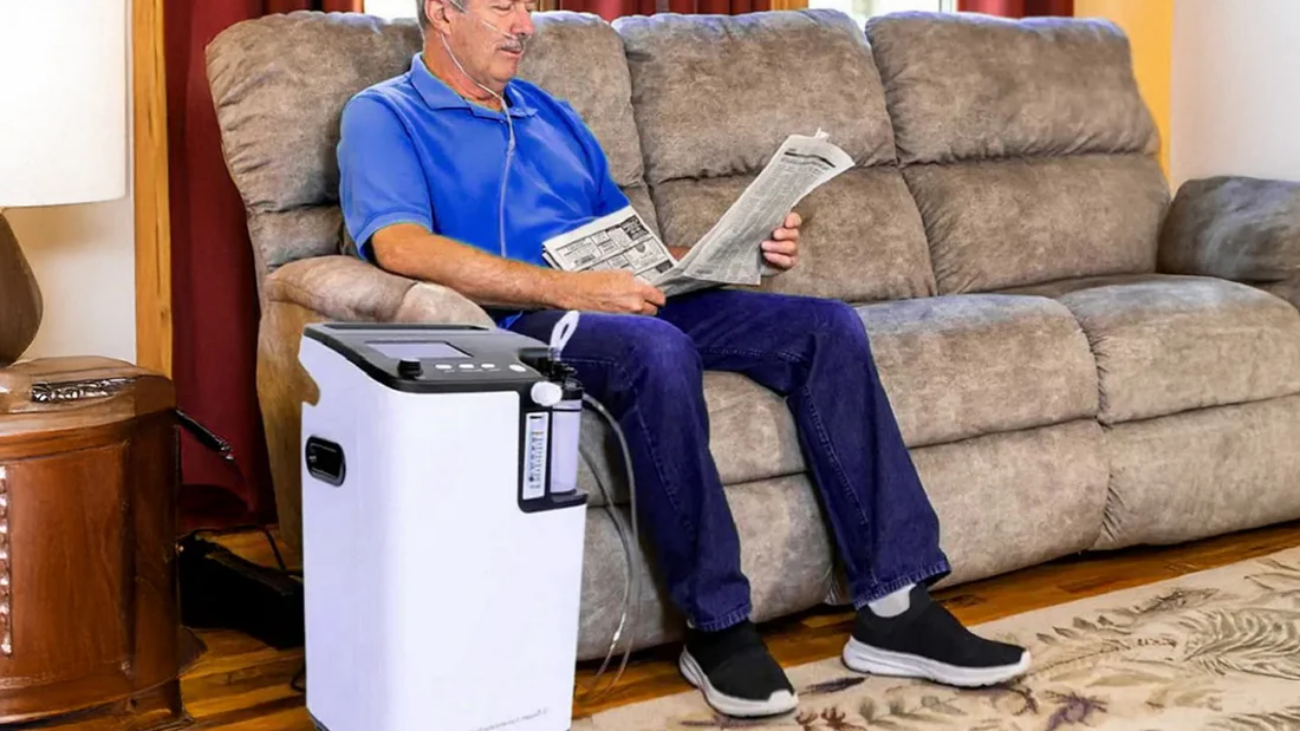
Accessing reliable medical oxygen supplies is a critical priority for patients, caregivers, and healthcare facilities across Melbourne. Whether you are managing a chronic respiratory condition like COPD or setting up a clinical environment, understanding the nuances of oxygen delivery systems ensures safety, compliance, and better health outcomes.
In this comprehensive guide, we analyze the different types of medical oxygen equipment available in Victoria, how to choose the right system for your lifestyle, and the regulatory standards governing their use in Australia.
What Are Medical Oxygen Supplies?
Medical oxygen supplies encompass the specialized equipment used to deliver supplemental oxygen to individuals who cannot get enough naturally. Unlike industrial oxygen, medical-grade oxygen is treated as a prescription drug in Australia, requiring high purity levels (typically above 90%) and rigorous filtration to remove contaminants.
The ecosystem of supplies includes:
- Source Equipment: Concentrators, cylinders, and liquid oxygen tanks.
- Delivery Interfaces: Nasal cannulas, simple face masks, and high-flow tracheostomy interfaces.
- Accessories: Flowmeters, regulators, humidifiers, and pulse oximeters.
The Technology of Medical Oxygen: How It Works
Understanding the mechanics behind these devices helps in making an informed commercial or clinical decision.
Oxygen Concentrators vs. Cylinders
A medical oxygen concentrator works by pulling in ambient air, which consists of approximately 21% oxygen and 78% nitrogen. Using a process called Pressure Swing Adsorption (PSA), the device filters out nitrogen through molecular sieves, delivering concentrated oxygen to the patient.
In contrast, oxygen cylinders contain compressed gas. These are essential for backup during power outages or for short-duration high-flow needs. In Melbourne’s urban and suburban settings, many patients utilize a “hybrid” approach—using a stationary concentrator at home and portable cylinders or lightweight POCs (Portable Oxygen Concentrators) for travel.
Key Types of Medical Oxygen Equipment in Melbourne
Choosing the right supply depends on the patient’s mobility, flow rate requirements (liters per minute), and the duration of therapy.
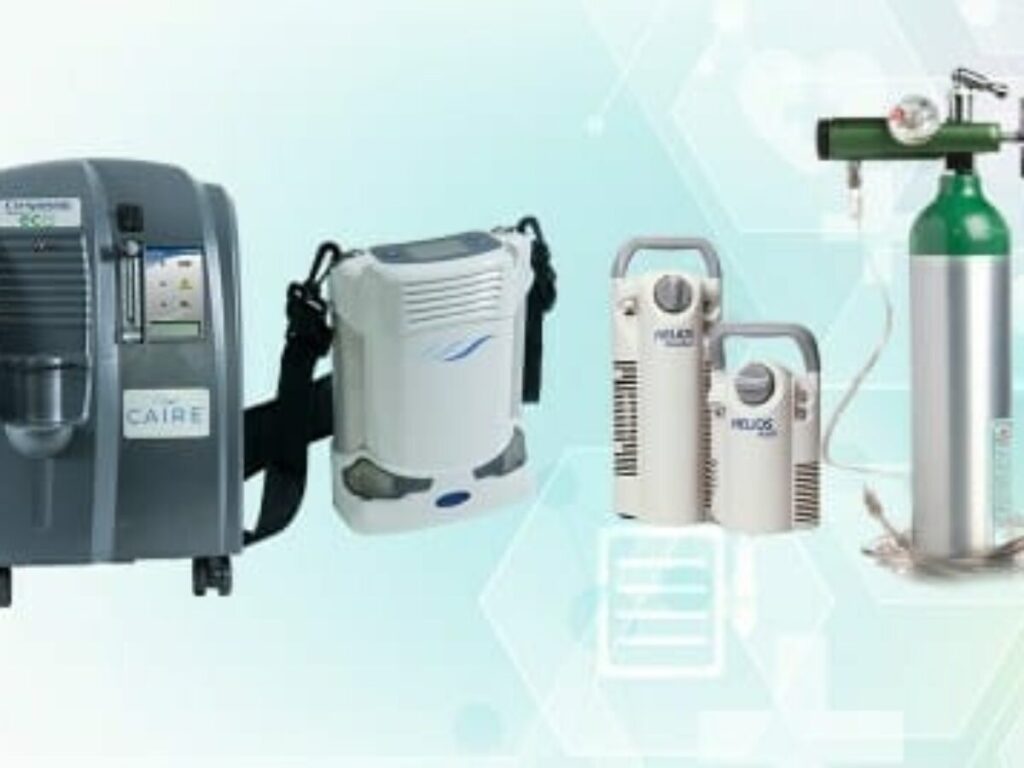
1. Stationary Oxygen Concentrators
These are the workhorses of home respiratory therapy. They are rugid, designed for 24/7 operation, and plug directly into standard Australian power outlets.
- Best for: Patients requiring continuous flow at home.
- Key Benefit: No need for refills; unlimited oxygen as long as there is power.
2. Portable Oxygen Concentrators (POCs)
POCs have revolutionized patient mobility in Victoria. These battery-operated units allow users to visit the Queen Victoria Market or travel on public transport without hauling heavy tanks.
- Pulse Dose Technology: Delivers oxygen only when the patient inhales, conserving battery life.
- Flight Approved: Most modern POCs are FAA-approved for international and domestic travel.
3. High-Pressure Cylinders
Available in various sizes (C, D, and E sizes are common), these are used primarily for emergency backup or for patients who require a very high flow rate that a portable concentrator cannot provide.
| Feature | Stationary Concentrator | Portable Concentrator (POC) | Gas Cylinders |
| Mobility | Low (Wheeled) | High (Wearable) | Moderate (Trolley) |
| Power Source | AC Wall Outlet | Battery / DC Car Charger | None (Compressed Gas) |
| Oxygen Limit | Unlimited | Battery Dependent | Capacity Dependent |
| Maintenance | Filter Cleaning | Battery Management | Regular Refills Required |
Benefits of Quality Oxygen Supplies
Investing in high-grade medical oxygen supplies offers more than just respiratory support; it impacts the overall quality of life and clinical safety.
- Improved Exercise Tolerance: With the right portable equipment, patients can engage in pulmonary rehabilitation and daily walks.
- Cognitive Clarity: Proper oxygenation reduces “brain fog” and fatigue associated with hypoxemia.
- Reduced Hospital Readmissions: Reliable home setups allow for the stable management of chronic conditions, keeping patients out of Melbourne’s crowded emergency departments.
- Safety Compliance: Australian-standard (AS) approved regulators and cylinders prevent leaks and fire hazards.
Real-World Use Cases: Melbourne Clinical Scenarios
Scenario A: The Active Retiree in St Kilda
A patient with mild emphysema wants to maintain an active social life. Their kit includes a lightweight POC with an extra battery pack, allowing for 4–6 hours of freedom. They keep a small “C” size cylinder at home as a “failsafe” backup.
Scenario B: Post-Operative Recovery in Box Hill
A patient recovering from thoracic surgery requires high-flow oxygen for two weeks. A rented stationary concentrator provides a cost-effective, high-output solution without the logistics of frequent cylinder deliveries.
Step-by-Step: Sourcing Oxygen Supplies in Victoria
If you are a caregiver or patient, follow this framework to secure your equipment:
- Clinical Assessment: Obtain a pulse oximetry test or Arterial Blood Gas (ABG) test from a respiratory specialist.
- Prescription Acquisition: Your doctor must specify the flow rate (L/min) and whether you need oxygen during sleep, exercise, or rest.
- Vendor Selection: Look for Melbourne-based providers that offer 24/7 emergency support and technician on-site visits.
- Home Safety Audit: Ensure your home has working smoke detectors and that no smoking or open flames (gas stoves) occur near the equipment.
- Training: Ensure the provider demonstrates how to clean filters and troubleshoot alarms.
Best Practices for Maintenance and Safety
To ensure the longevity of your medical oxygen equipment and your own safety, adhere to these professional standards:
- Tubing Management: Replace nasal cannulas every 2–4 weeks to prevent bacterial buildup.
- Distilled Water Only: If using a humidifier bottle, use only distilled water to prevent mineral scale from clogging the flowmeter.
- Keep Distance: Maintain at least 2 meters between oxygen sources and heat sources or open flames.
- Ventilation: Never operate a concentrator in a small, unventilated closet; the machine needs to “breathe” to pull in fresh oxygen.
Common Mistakes to Avoid
- Buying Second-Hand Without Certification: Purchasing used concentrators online can be risky. If the internal sieve beds are depleted, the machine may output air, not medical-grade oxygen.
- Ignoring the “No Oil” Rule: Never use oil-based lotions or Vaseline on your face while using oxygen, as these can become combustible in oxygen-rich environments. Use water-based lubricants instead.
- Forgetting Backup Power: In areas of Melbourne prone to storm-related outages (like the Dandenongs), always have a manual cylinder backup.
Internal & External Resource Recommendations
To further your understanding of respiratory health and equipment standards, consider these resources:
- Internal Link Suggestion: Guide to CPAP Machines and Sleep Apnea Supplies in Australia.
- Internal Link Suggestion: How to Maintain Your Portable Oxygen Concentrator.
- External Reference: Thoracic Society of Australia and New Zealand (TSANZ) Oxygen Guidelines.
- External Reference: Victorian Department of Health – Home Oxygen Program (HOP).
FAQ: Medical Oxygen Supplies
Do I need a prescription for medical oxygen in Melbourne?
Yes. In Australia, medical oxygen is classified as a therapeutic drug. A prescription from a General Practitioner or Specialist is required to purchase or rent equipment.
Can I take my medical oxygen on a plane?
Most airlines allow Portable Oxygen Concentrators (POCs) that are FAA-approved. You must notify the airline in advance and usually provide a medical clearance form. Compressed gas cylinders are generally prohibited in the cabin.
How often do oxygen cylinders need to be tested?
In Australia, high-pressure gas cylinders must undergo hydrostatic testing every 10 years to ensure structural integrity.
What is the difference between “Pulse” and “Continuous” flow?
Continuous flow provides a steady stream of oxygen regardless of breathing patterns. Pulse flow (or demand flow) detects when you take a breath and delivers a “bolus” of oxygen at that exact moment.
How much does it cost to run an oxygen concentrator?
Modern stationary concentrators are relatively efficient. On average, running one 24/7 in Melbourne may add approximately $1.50–$3.00 per day to your electricity bill, depending on your tariff.
Is there government funding for oxygen in Victoria?
The Victorian Home Oxygen Program (HOP) provides subsidized oxygen for eligible permanent residents with chronic clinical needs who meet specific financial and medical criteria.
Conclusion
Selecting the right medical oxygen supplies is a vital step in managing respiratory health and maintaining independence. By choosing high-quality, TGA-approved equipment and adhering to a strict maintenance schedule, patients in Melbourne can enjoy a safer and more active lifestyle.
Whether you require a heavy-duty stationary concentrator for overnight use or a portable solution for exploring the city, always prioritize clinical advice and equipment reliability over cost.