
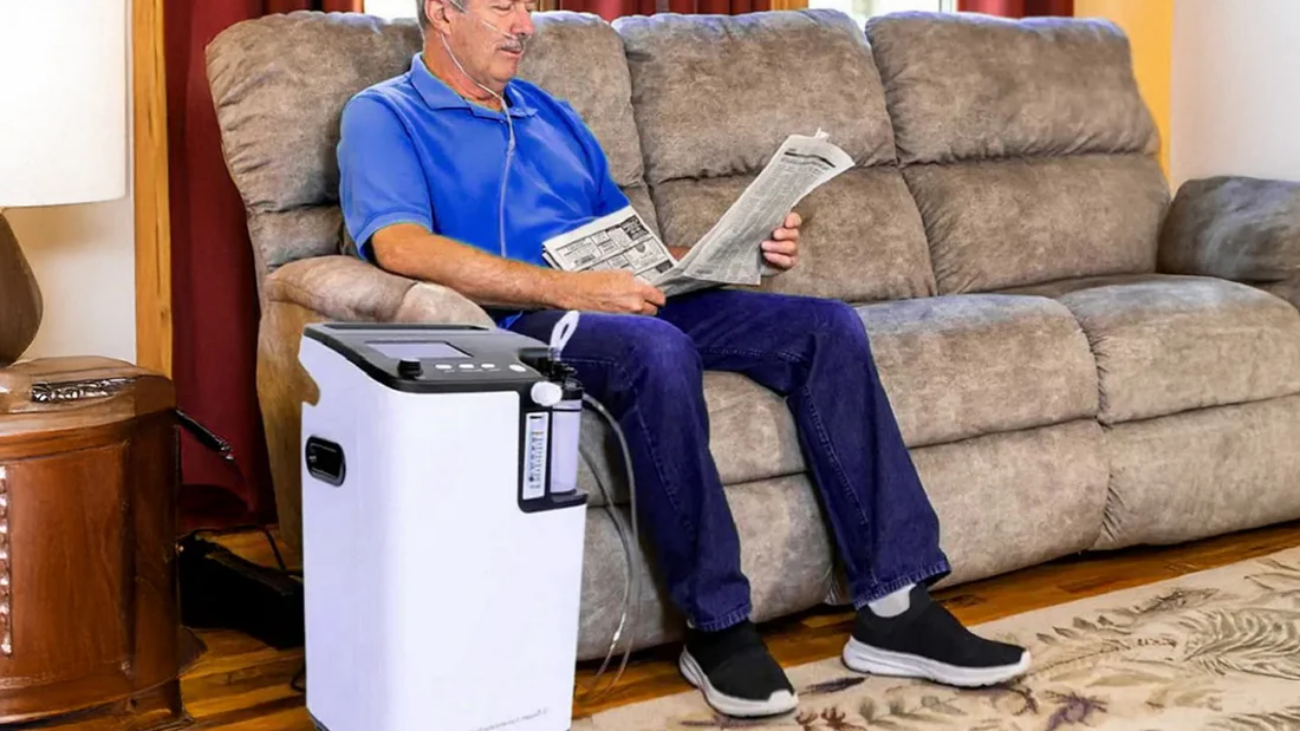
oxygen machine

Medical Oxygen Supplies Melbourne: Complete Guide & Sourcing

Accessing reliable medical oxygen supplies is a critical priority for patients, caregivers, and healthcare facilities across Melbourne. Whether you are managing a chronic respiratory condition like COPD or setting up a clinical environment, understanding the nuances of oxygen delivery systems ensures safety, compliance, and better health outcomes.

In this comprehensive guide, we analyze the different types of medical oxygen equipment available in Victoria, how to choose the right system for your lifestyle, and the regulatory standards governing their use in Australia.

What Are Medical Oxygen Supplies?

Medical oxygen supplies encompass the specialized equipment used to deliver supplemental oxygen to individuals who cannot get enough naturally. Unlike industrial oxygen, medical-grade oxygen is treated as a prescription drug in Australia, requiring high purity levels (typically above 90%) and rigorous filtration to remove contaminants.

The ecosystem of supplies includes:

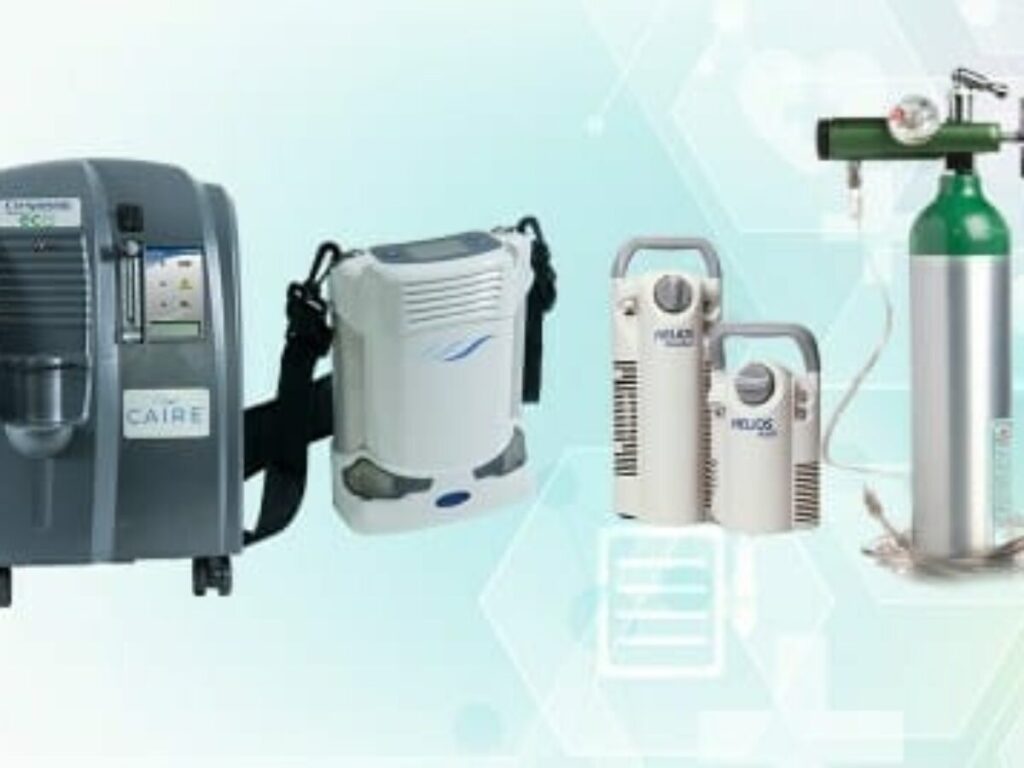
  • Source Equipment: Concentrators, cylinders, and liquid oxygen tanks.
  • Delivery Interfaces: Nasal cannulas, simple face masks, and high-flow tracheostomy interfaces.
  • Accessories: Flowmeters, regulators, humidifiers, and pulse oximeters.

The Technology of Medical Oxygen: How It Works

Understanding the mechanics behind these devices helps in making an informed commercial or clinical decision.

Oxygen Concentrators vs. Cylinders

A medical oxygen concentrator works by pulling in ambient air, which consists of approximately 21% oxygen and 78% nitrogen. Using a process called Pressure Swing Adsorption (PSA), the device filters out nitrogen through molecular sieves, delivering concentrated oxygen to the patient.

In contrast, oxygen cylinders contain compressed gas. These are essential for backup during power outages or for short-duration high-flow needs. In Melbourne’s urban and suburban settings, many patients utilize a “hybrid” approach—using a stationary concentrator at home and portable cylinders or lightweight POCs (Portable Oxygen Concentrators) for travel.


Key Types of Medical Oxygen Equipment in Melbourne

Choosing the right supply depends on the patient’s mobility, flow rate requirements (liters per minute), and the duration of therapy.

1. Stationary Oxygen Concentrators

These are the workhorses of home respiratory therapy. They are rugid, designed for 24/7 operation, and plug directly into standard Australian power outlets.

  • Best for: Patients requiring continuous flow at home.
  • Key Benefit: No need for refills; unlimited oxygen as long as there is power.

2. Portable Oxygen Concentrators (POCs)

POCs have revolutionized patient mobility in Victoria. These battery-operated units allow users to visit the Queen Victoria Market or travel on public transport without hauling heavy tanks.

  • Pulse Dose Technology: Delivers oxygen only when the patient inhales, conserving battery life.
  • Flight Approved: Most modern POCs are FAA-approved for international and domestic travel.

3. High-Pressure Cylinders

Available in various sizes (C, D, and E sizes are common), these are used primarily for emergency backup or for patients who require a very high flow rate that a portable concentrator cannot provide.

FeatureStationary ConcentratorPortable Concentrator (POC)Gas Cylinders
MobilityLow (Wheeled)High (Wearable)Moderate (Trolley)
Power SourceAC Wall OutletBattery / DC Car ChargerNone (Compressed Gas)
Oxygen LimitUnlimitedBattery DependentCapacity Dependent
MaintenanceFilter CleaningBattery ManagementRegular Refills Required

Benefits of Quality Oxygen Supplies

Investing in high-grade medical oxygen supplies offers more than just respiratory support; it impacts the overall quality of life and clinical safety.

  • Improved Exercise Tolerance: With the right portable equipment, patients can engage in pulmonary rehabilitation and daily walks.
  • Cognitive Clarity: Proper oxygenation reduces “brain fog” and fatigue associated with hypoxemia.
  • Reduced Hospital Readmissions: Reliable home setups allow for the stable management of chronic conditions, keeping patients out of Melbourne’s crowded emergency departments.
  • Safety Compliance: Australian-standard (AS) approved regulators and cylinders prevent leaks and fire hazards.

Real-World Use Cases: Melbourne Clinical Scenarios

Scenario A: The Active Retiree in St Kilda

A patient with mild emphysema wants to maintain an active social life. Their kit includes a lightweight POC with an extra battery pack, allowing for 4–6 hours of freedom. They keep a small “C” size cylinder at home as a “failsafe” backup.

Scenario B: Post-Operative Recovery in Box Hill

A patient recovering from thoracic surgery requires high-flow oxygen for two weeks. A rented stationary concentrator provides a cost-effective, high-output solution without the logistics of frequent cylinder deliveries.


Step-by-Step: Sourcing Oxygen Supplies in Victoria
oxygen machine

If you are a caregiver or patient, follow this framework to secure your equipment:

  1. Clinical Assessment: Obtain a pulse oximetry test or Arterial Blood Gas (ABG) test from a respiratory specialist.
  2. Prescription Acquisition: Your doctor must specify the flow rate (L/min) and whether you need oxygen during sleep, exercise, or rest.
  3. Vendor Selection: Look for Melbourne-based providers that offer 24/7 emergency support and technician on-site visits.
  4. Home Safety Audit: Ensure your home has working smoke detectors and that no smoking or open flames (gas stoves) occur near the equipment.
  5. Training: Ensure the provider demonstrates how to clean filters and troubleshoot alarms.

Best Practices for Maintenance and Safety

To ensure the longevity of your medical oxygen equipment and your own safety, adhere to these professional standards:

  • Tubing Management: Replace nasal cannulas every 2–4 weeks to prevent bacterial buildup.
  • Distilled Water Only: If using a humidifier bottle, use only distilled water to prevent mineral scale from clogging the flowmeter.
  • Keep Distance: Maintain at least 2 meters between oxygen sources and heat sources or open flames.
  • Ventilation: Never operate a concentrator in a small, unventilated closet; the machine needs to “breathe” to pull in fresh oxygen.

Common Mistakes to Avoid

  • Buying Second-Hand Without Certification: Purchasing used concentrators online can be risky. If the internal sieve beds are depleted, the machine may output air, not medical-grade oxygen.
  • Ignoring the “No Oil” Rule: Never use oil-based lotions or Vaseline on your face while using oxygen, as these can become combustible in oxygen-rich environments. Use water-based lubricants instead.
  • Forgetting Backup Power: In areas of Melbourne prone to storm-related outages (like the Dandenongs), always have a manual cylinder backup.

Internal & External Resource Recommendations

To further your understanding of respiratory health and equipment standards, consider these resources:

  • Internal Link Suggestion: Guide to CPAP Machines and Sleep Apnea Supplies in Australia.
  • Internal Link Suggestion: How to Maintain Your Portable Oxygen Concentrator.
  • External Reference: Thoracic Society of Australia and New Zealand (TSANZ) Oxygen Guidelines.
  • External Reference: Victorian Department of Health – Home Oxygen Program (HOP).

FAQ: Medical Oxygen Supplies

Do I need a prescription for medical oxygen in Melbourne?

Yes. In Australia, medical oxygen is classified as a therapeutic drug. A prescription from a General Practitioner or Specialist is required to purchase or rent equipment.

Can I take my medical oxygen on a plane?

Most airlines allow Portable Oxygen Concentrators (POCs) that are FAA-approved. You must notify the airline in advance and usually provide a medical clearance form. Compressed gas cylinders are generally prohibited in the cabin.

How often do oxygen cylinders need to be tested?

In Australia, high-pressure gas cylinders must undergo hydrostatic testing every 10 years to ensure structural integrity.

What is the difference between “Pulse” and “Continuous” flow?

Continuous flow provides a steady stream of oxygen regardless of breathing patterns. Pulse flow (or demand flow) detects when you take a breath and delivers a “bolus” of oxygen at that exact moment.

How much does it cost to run an oxygen concentrator?

Modern stationary concentrators are relatively efficient. On average, running one 24/7 in Melbourne may add approximately $1.50–$3.00 per day to your electricity bill, depending on your tariff.

Is there government funding for oxygen in Victoria?

The Victorian Home Oxygen Program (HOP) provides subsidized oxygen for eligible permanent residents with chronic clinical needs who meet specific financial and medical criteria.


Conclusion

Selecting the right medical oxygen supplies is a vital step in managing respiratory health and maintaining independence. By choosing high-quality, TGA-approved equipment and adhering to a strict maintenance schedule, patients in Melbourne can enjoy a safer and more active lifestyle.

Whether you require a heavy-duty stationary concentrator for overnight use or a portable solution for exploring the city, always prioritize clinical advice and equipment reliability over cost.

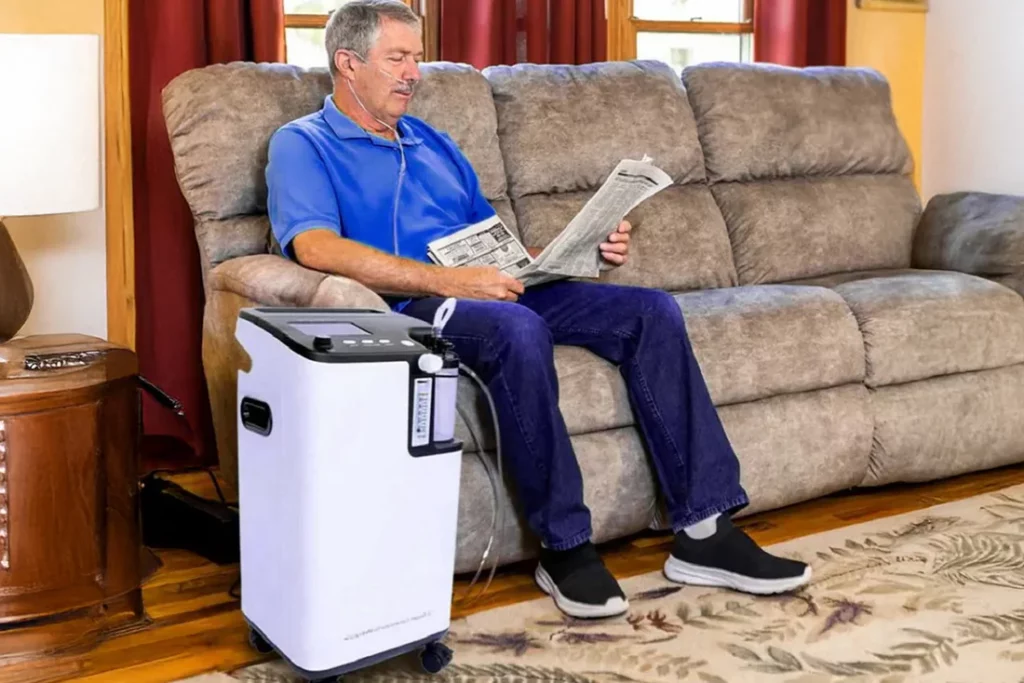
oxygen machine

CPAP Machines vs Oxygen Machines: Understanding the Difference in Therapy Needs

What Are CPAP Machines and How Do They Work?

CPAP machines deliver a steady stream of pressurized air through a mask to keep airways open during sleep. These medical devices are the gold standard treatment for obstructive sleep apnea, a condition where throat muscles repeatedly relax and block the airway during sleep.

The technology behind CPAP therapy centers on continuous positive airway pressure. This pressurized air acts as a pneumatic splint, preventing the soft tissues in the throat from collapsing inward. When airways remain open throughout the night, patients experience uninterrupted breathing and better sleep quality.

Core Components of CPAP Systems

A complete CPAP setup includes three essential elements:

  1. Pressure generator: The main unit that draws in room air and pressurizes it to prescribed levels
  2. Heated humidifier: An optional but commonly included component that adds moisture to prevent dryness
  3. Mask interface: A sealed mask that delivers pressurized air, available in nasal, full-face, or nasal pillow designs
  4. Tubing: Flexible hose connecting the generator to the mask

The pressure generator calibrates airflow based on physician-prescribed settings, typically measured in centimeters of water pressure (cmH2O). Most machines operate within a range of 4 to 20 cmH2O, with the exact pressure tailored to each patient’s needs.

Primary Conditions Treated

Obstructive sleep apnea represents the primary indication for CPAP therapy. Patients with OSA experience repeated breathing interruptions throughout the night, leading to:

  • Fragmented sleep patterns
  • Daytime fatigue and drowsiness
  • Increased cardiovascular risks
  • Cognitive impairment

CPAP therapy may also benefit patients with:

  • Central sleep apnea (in certain cases)
  • Complex sleep apnea syndrome
  • Obesity hypoventilation syndrome

The distinction between CPAP therapy and oxygen supplementation becomes critical here. CPAP addresses mechanical airway obstruction rather than low blood oxygen levels. Patients whose airways collapse during sleep need positive airway pressure to maintain patency, not necessarily additional oxygen.

What Are Oxygen Machines and How Do They Function?

Oxygen machine, also known as oxygen concentrators, deliver supplemental oxygen to patients whose blood oxygen levels fall below healthy ranges. These medical devices extract oxygen from room air, concentrate it to therapeutic levels (typically 87-95% purity), and deliver it directly to patients through nasal cannulas or masks.

The concentration process works through molecular sieve technology or membrane systems. Room air contains approximately 21% oxygen, but concentrators filter out nitrogen and other gases, producing oxygen-enriched air. The device pulls ambient air through filters, compresses it, and passes it through zeolite beds that absorb nitrogen molecules. The purified oxygen then flows to the patient at prescribed rates measured in liters per minute (LPM).

Who Needs Oxygen Therapy?

Patients with hypoxemia treatment needs—those experiencing dangerously low blood oxygen saturation—benefit from oxygen concentrators. Several conditions create this requirement:

  • Chronic Obstructive Pulmonary Disease (COPD): Damaged lung tissue struggles to transfer oxygen into the bloodstream, requiring long-term supplemental oxygen
  • Pneumonia: Inflamed, fluid-filled lung tissue temporarily reduces oxygen absorption capacity
  • Pulmonary fibrosis: Scarred lung tissue impairs oxygen exchange
  • Heart failure: Weakened heart function leads to fluid buildup in lungs, reducing oxygen transfer
  • Severe asthma: Chronic inflammation narrows airways and reduces oxygen intake

Doctors prescribe oxygen therapy when blood oxygen saturation consistently drops below 88-90% at rest or during activity.

Portable vs. Stationary Oxygen Concentrators

There are two main types of oxygen concentrators: stationary and portable.

Stationary Oxygen Concentrators

Stationary concentrators remain in one location, typically weighing 30-50 pounds. These units deliver continuous flow oxygen at higher rates (5-10 LPM) and suit patients who spend most time at home. They plug into standard electrical outlets and provide unlimited oxygen as long as power remains available.

Portable Oxygen Concentrators

Portable concentrators weigh 3-10 pounds and run on rechargeable batteries, enabling patient mobility. Most portable units use pulse-dose delivery, releasing oxygen bursts only during inhalation rather than continuous flow. This conserves battery life while still meeting the patient’s needs during activities such as walking or exercising.

How Do CPAP Machines Differ From Oxygen Machines in Therapy Goals?

What problem does each therapy address?

CPAP machines keep the airways open by stopping them from collapsing during sleep, while oxygen machines increase the level of oxygen in the blood of patients who don’t have enough oxygen in their bloodstream. These are two different ways of treating respiratory conditions that focus on different physical issues.

The main difference is in the problem being treated:

  • CPAP therapy deals with mechanical blockage where the airways close during sleep, stopping airflow even though the air has normal oxygen levels
  • Oxygen therapy deals with low blood oxygen levels where the airways stay open but the lungs can’t properly oxygenate the blood due to disease or damage

Does the type of breathing problem determine which therapy works?

Yes, the specific breathing issue determines which therapy is chosen. A patient with obstructive sleep apnea has repeated airway blockages that CPAP fixes by using pressurized air as a splint. On the other hand, someone with COPD may breathe normally but needs concentrated oxygen because their damaged lungs can’t get enough oxygen from regular air.

Why can’t these therapies replace each other?

Each therapy targets a specific physiological problem. Using oxygen therapy for airway blockage won’t stop it from collapsing, just like CPAP pressure won’t raise blood oxygen levels when lung function is impaired. Proper diagnosis ensures that patients get the right treatment for their particular condition.

oxygen machine

When Is CPAP Therapy Prescribed Instead of Oxygen Therapy?

What conditions lead doctors to prescribe CPAP over oxygen therapy? CPAP therapy is prescribed when obstructive sleep apnea treatment becomes necessary, meaning the patient experiences repeated airway collapse during sleep. Doctors diagnose OSA through sleep studies that reveal breathing interruptions caused by physical blockage rather than insufficient oxygen in the air.

The airway obstruction diagnosis distinguishes CPAP candidates from oxygen therapy patients. When the upper airway tissues relax and block airflow during sleep, the body needs mechanical support to keep passages open. Blood oxygen levels may drop during these episodes, but the root cause is physical obstruction, not lung disease or oxygen deficiency.

Therapy prescription criteria for CPAP include:

  • Apnea-Hypopnea Index (AHI) of 5 or more events per hour
  • Documented airway collapse during sleep studies
  • Symptoms like loud snoring, gasping during sleep, or daytime fatigue
  • Normal lung function with adequate oxygen exchange when airways remain open

Pressure adjustments follow a personalized approach based on patient response. Initial settings typically range from 4 to 20 cm H2O, with titration studies determining the optimal pressure needed to eliminate apnea events. Patients return for follow-up assessments where doctors review compliance data and adjust settings to maximize comfort while maintaining airway patency throughout sleep cycles.

When Is Oxygen Therapy Preferred Over CPAP Treatment?

Oxygen therapy becomes the primary treatment when patients experience hypoxemia—persistently low blood oxygen levels—rather than airway obstruction. Doctors prescribe supplemental oxygen usage for conditions like chronic obstructive pulmonary disease (COPD), pulmonary fibrosis, severe pneumonia, and heart failure where the lungs cannot adequately oxygenate blood.

Understanding Chronic Lung Diseases

Chronic lung diseases are conditions that affect the lungs and airways over a long period, leading to difficulty in breathing and reduced airflow. These diseases often require ongoing management to ensure optimal lung function and overall well-being.

Some common examples of chronic lung diseases include:

  1. Chronic obstructive pulmonary disease (COPD): A progressive lung disease characterized by airflow limitation, usually caused by smoking or long-term exposure to irritants.
  2. Pulmonary fibrosis: A condition where lung tissue becomes scarred and thickened, making it difficult for the lungs to function properly.
  3. Severe pneumonia: An infection that inflames the air sacs in one or both lungs, causing symptoms such as cough, fever, and difficulty breathing.
  4. Heart failure: A condition where the heart is unable to pump blood effectively, leading to fluid buildup in the lungs and impaired oxygen exchange.

How Oxygen Therapy Helps

In these chronic lung conditions, although the airways remain open, there is a problem with gas exchange at the alveolar level—the tiny air sacs in the lungs where oxygen enters the bloodstream and carbon dioxide is removed. Oxygen therapy aims to address this issue by delivering supplemental oxygen directly to the patient.

Patients with these conditions typically maintain open airways but struggle with gas exchange at the alveolar level. Blood oxygen saturation readings below 88% at rest or during activity often trigger oxygen therapy prescriptions.

The Importance of Long-Term Oxygen Therapy

Long-term oxygen therapy considerations extend beyond immediate symptom relief. Patients requiring continuous oxygen typically use their concentrators for 15+ hours daily, including during sleep and physical activity. This extended use helps prevent complications like pulmonary hypertension and reduces strain on the heart.

The role of oxygen concentrators in managing chronic respiratory diseases centers on maintaining adequate oxygen saturation levels throughout daily activities. Stationary units serve home-based needs, while portable concentrators enable mobility and improved quality of life. Unlike CPAP machines that apply pressure to prevent airway collapse, oxygen concentrators simply enrich the air patients breathe with higher oxygen concentrations—addressing deficient oxygen levels rather than mechanical obstruction.

Diagnostic Tests for Hypoxemia Management

Prescription decisions depend on diagnostic tests measuring blood oxygen levels, including pulse oximetry and arterial blood gas analysis, which reveal whether hypoxemia management requires intervention.

Can Patients Use Both CPAP and Oxygen Machines Simultaneously?

Yes, patients can use combined respiratory therapies when their medical condition requires both airway support and supplemental oxygen. Some individuals with severe obstructive sleep apnea also experience low blood oxygen levels during sleep, making dual device usage medically necessary.

Patients with overlap syndrome—a combination of OSA and COPD—frequently benefit from simultaneous therapy. Those with heart failure, pulmonary hypertension, or severe lung disease may also require both treatments to maintain adequate oxygen levels while keeping airways open.

Why Medical Evaluation Matters for Combined Treatment

A thorough medical assessment determines whether patient-specific treatment plans should include both devices. Sleep studies measuring oxygen saturation alongside apnea events help physicians identify candidates for dual therapy. Blood gas analysis and pulmonary function tests provide additional data for treatment decisions.

Healthcare providers must carefully calibrate both devices to work together effectively. The oxygen flow rate and CPAP pressure settings require precise adjustment to avoid complications.

Benefits and Challenges of Using Both Devices

Combined therapy offers significant advantages:

  • Improved oxygen saturation throughout the night
  • Reduced strain on the cardiovascular system from repeated apnea events
  • Better sleep quality and daytime functioning

Challenges include equipment complexity, increased maintenance requirements, and higher costs. Patients must manage two separate devices, which demands proper training and ongoing support from respiratory therapists. Some individuals find the combined setup cumbersome, particularly when traveling. Click here to get more about buying CPAP machines safely: tips for choosing a trusted supplier.

oxygen machine

What Should Patients Consider When Choosing Between CPAP and Oxygen Machines?

The choice between CPAP and oxygen therapy depends on your medical diagnosis and specific respiratory condition. Your doctor will determine whether you have airway obstruction during sleep or low blood oxygen levels through tests like sleep studies or pulse oximetry.

Key Therapy Selection Criteria

Your symptoms provide important clues about which device you need:

  • Loud snoring, witnessed breathing pauses, and excessive daytime sleepiness typically indicate CPAP therapy for sleep apnea.
  • Shortness of breath, chronic cough, and low oxygen saturation readings suggest a need for oxygen therapy.

Lifestyle factors also play a significant role in deciding which respiratory device is right for you:

  • Portability needs: If you’re an active person who travels frequently or has a busy lifestyle, lightweight and portable options may be necessary.
  • Noise tolerance: Some users find the operational sounds produced by CPAP machines disruptive, so it’s important to consider your sensitivity to noise.
  • Maintenance commitment: Both CPAP and oxygen machines require regular cleaning, filter changes, and equipment checks. Make sure you’re willing to invest time in maintaining the device.
  • Insurance coverage: Different therapies may have varying coverage requirements and out-of-pocket costs. Check with your insurance provider to understand what is covered.

The Role of Professional Guidance

Proper selection and fitting of respiratory devices are crucial for patient comfort and compliance. Respiratory therapists can assist in adjusting mask styles, pressure settings, or oxygen flow rates to optimize the effectiveness of therapy. They also provide training on how to operate the equipment and troubleshoot common issues.

It’s important to remember that self-diagnosis or switching therapies without consulting a medical professional can have negative consequences. Using the wrong device may worsen your condition or lead to new health complications.