
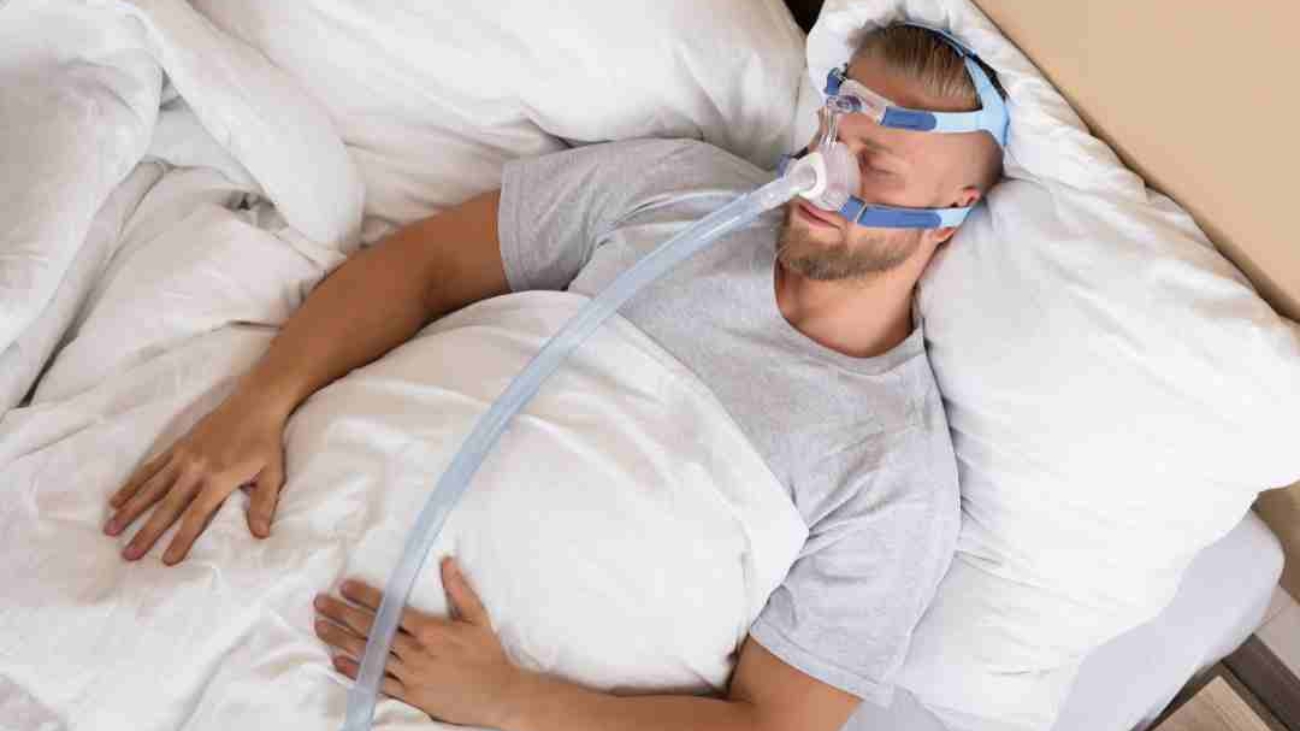
Everything You Need to Know About Sleep Testing in Sydney: Costs, Methods, and Providers

Everything You Need to Know About Sleep Testing in Sydney: Costs, Methods, and Providers

Meta Description:

Looking for a sleep study in Sydney? Discover everything about sleep testing Sydney, including cost, methods, home sleep studies, and bulk-bill options for sleep apnea tests. Learn where to get tested and how to save on costs in Sydney.

Introduction: The Importance of Sleep Testing in Sydney

In today’s fast-paced world, sleep disorders like sleep apnea are becoming increasingly common. If you’re struggling with poor sleep, excessive daytime tiredness, or snoring, a sleep test in Sydney might be the solution you need. Sleep testing Sydney is crucial for diagnosing conditions like sleep apnea, a condition that can affect your overall health if left untreated.

This article will guide you through everything you need to know about sleep testing in Sydney—from the cost of a sleep study Sydney to the available testing methods and where to go for your test. Whether you’re looking for bulk-bill sleep study Sydney options or considering a home sleep study Sydney, we’ve got you covered.

What is a Sleep Test in Sydney?

A sleep study Sydney is a diagnostic test that helps healthcare providers identify sleep disorders, including sleep apnea, narcolepsy, and restless leg syndrome. During a sleep test, various body functions such as breathing, heart rate, oxygen levels, and brain activity are monitored to assess whether there are any disruptions to your sleep.

Types of Sleep Tests in Sydney

There are several types of sleep testing Sydney, including in-clinic studies and home sleep studies:

  1. Polysomnography (In-Clinic Sleep Study): This is the most comprehensive sleep test, typically done in a medical facility. It records brain activity, heart rate, breathing patterns, and eye movements while you sleep.
  2. Home Sleep Study Sydney: For those who prefer the comfort of their own home, a home sleep study Sydney involves using portable equipment to monitor breathing, oxygen levels, and heart rate during sleep. While less detailed than in-clinic studies, it can still provide valuable insights, especially for sleep apnea test Sydney.

Sleep Study Sydney Cost: What to Expect

One of the main factors people consider when opting for a sleep study Sydney is the cost. Sydney sleep study cost varies depending on the type of test and provider, with prices ranging from affordable to quite expensive. Here’s what you can expect:

In-Clinic Sleep Study Costs

An in-clinic sleep study Sydney typically costs between $1,000 and $2,500. The price includes the test itself, monitoring equipment, and analysis by a sleep specialist. However, many clinics in Sydney offer bulk-bill sleep study Sydney for eligible patients, making the process more affordable.

Home Sleep Study Sydney Costs

A home sleep study Sydney is usually more affordable, with prices ranging from $300 to $600. The sleep study cost Sydney is significantly lower because there are no in-hospital fees, and the equipment is often simpler to use. Many people with mild to moderate sleep apnea opt for home sleep study Sydney as it offers an effective diagnosis at a lower cost.

Bulk-Bill Sleep Study Sydney

For those with Medicare or private health insurance, bulk-bill sleep study Sydney is a cost-saving option. Under bulk-billing, the cost of a sleep study in Sydney may be fully covered by Medicare, leaving you with no out-of-pocket expenses. Be sure to confirm with your provider whether they offer bulk-billing options.

Methods of Sleep Testing in Sydney: Which One is Right for You?

When it comes to sleep testing Sydney, there are two main methods: in-clinic polysomnography and home sleep studies. Each method has its advantages, and the right one for you depends on your symptoms and preferences.

Polysomnography (In-Clinic Sleep Study)

Polysomnography is the most thorough method for diagnosing sleep disorders. During an in-clinic sleep test Sydney, you will be hooked up to various monitoring devices that record brain waves, muscle activity, heart rate, and breathing patterns. This type of sleep testing Sydney is typically used for complex sleep disorders or when the doctor needs detailed information.

Pros:

  • Most comprehensive test for diagnosing sleep apnea
  • Monitors multiple factors in real-time

Cons:

  • More expensive
  • Requires you to spend the night at a clinic, which some may find uncomfortable
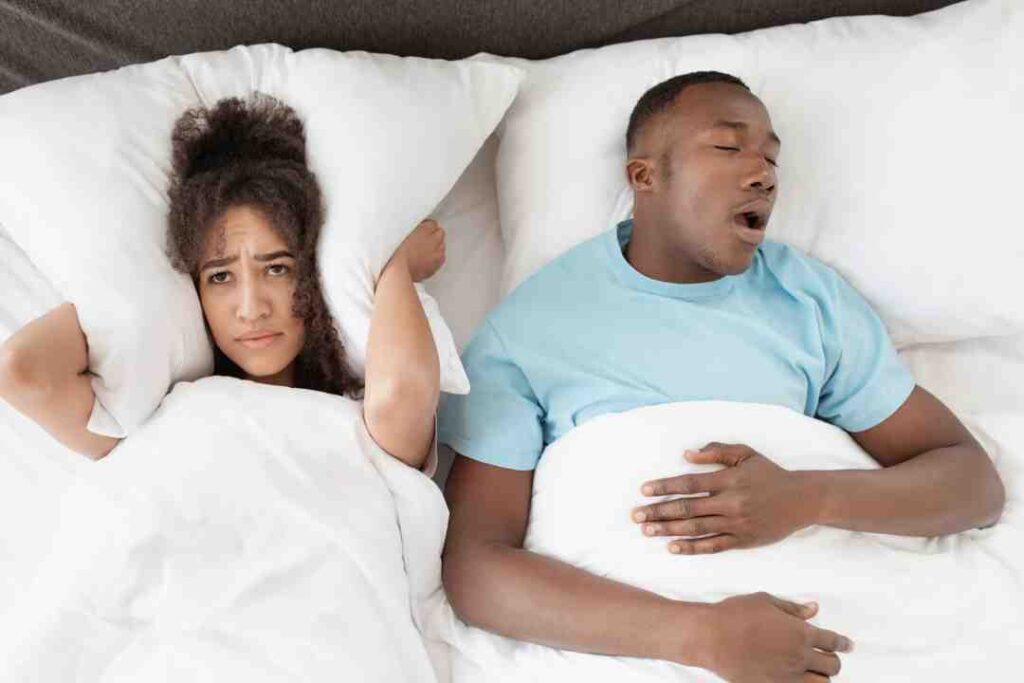
snoring-man-sleeping-with-apnea-and-sleepless-woman-angry-wife-unable-to-get-to-sleep

Home Sleep Study Sydney

A home sleep study Sydney is an excellent option for people who suspect they have sleep apnea but do not need the comprehensive data that comes with an in-clinic test. This type of test allows you to monitor your sleep at home using a small, portable device that measures your oxygen levels, heart rate, and breathing patterns.

Pros:

  • More affordable
  • No need to leave your home
  • Easier to arrange

Cons:

  • Less detailed compared to in-clinic tests
  • May not detect other underlying sleep disorders

Where to Get a Sleep Study in Sydney?

There are several reputable clinics and hospitals in Sydney offering sleep testing Sydney. Some of the most well-known providers include:

  1. Sydney Sleep Centre: A leading sleep clinic offering both in-clinic and home sleep study Sydney options. They provide a comprehensive approach to diagnosing and treating sleep disorders.
  2. The Royal Prince Alfred Hospital: Known for its excellent sleep disorder services, RPA offers bulk-bill sleep study Sydney options for eligible patients through Medicare.
  3. Sleep Health Foundation: Offering sleep apnea test Sydney, the Sleep Health Foundation is dedicated to providing affordable sleep studies and support for individuals suffering from sleep disorders.

When selecting a provider, be sure to check if they offer bulk-bill sleep study Sydney or if your insurance will cover the cost of the sleep study Sydney cost.

Conclusion: Choose the Right Sleep Study for Better Sleep Health

A sleep study Sydney is an essential diagnostic tool for identifying and managing sleep disorders like sleep apnea. Whether you opt for an in-clinic polysomnography or a home sleep study Sydney, both methods can help you get the answers you need to improve your sleep health. With varying costs for both types of tests, home sleep study Sydney offers a more affordable option, while bulk-bill sleep study Sydney makes in-clinic tests more accessible for those with Medicare.

By understanding your options, costs, and where to get tested, you can make an informed decision about which sleep study in Sydney is right for you. Don’t let sleep apnea or other sleep disorders go undiagnosed—take the first step towards better sleep health today.

FAQs

How much does a sleep study in Sydney cost?

The cost of a sleep study Sydney can range from $300 for a home sleep study Sydney to $2,500 for an in-clinic sleep test Sydney, depending on the type of test and the provider.

Can I bulk-bill my sleep study in Sydney?

Yes, many clinics offer bulk-bill sleep study Sydney for eligible patients under Medicare. Be sure to confirm with your provider whether they offer this option.

What is the difference between in-clinic and home sleep studies?

In-clinic tests are more comprehensive and involve overnight monitoring at a medical facility, while home sleep study Sydney allows you to monitor your sleep at home using portable equipment.

Where can I get a sleep study in Sydney?

You can get a sleep test Sydney at clinics like Sydney Sleep Centre, The Royal Prince Alfred Hospital, or Sleep Health Foundation, all of which offer in-clinic and home sleep study Sydney options.

Are home sleep studies as accurate as in-clinic tests?

Home sleep study Sydney is effective for diagnosing sleep apnea but may not be as detailed as an in-clinic study. In some cases, additional testing may be required.
The Role of CPAP Machines in Sleep Apnea Treatment

The Role of CPAP Machines in Sleep Apnea Treatment

Sleep apnea is a common sleep disorder that affects millions of people worldwide. It is characterized by interruptions in breathing during sleep, which can lead to daytime fatigue, decreased cognitive function, and other health problems. Fortunately, there are treatment options available to manage sleep apnea and improve the quality of sleep. One such treatment is the use of CPAP machines.

Understanding Sleep Apnea and ResMed AirMini

Sleep apnea is a sleep disorder that affects millions of people worldwide. It occurs when the upper airway repeatedly collapses, partially or completely blocking the flow of air into the lungs during sleep. This interruption in breathing can last for a few seconds to minutes and can occur numerous times throughout the night, disrupting the normal sleep cycle.

ResMed AirMini is a portable CPAP machine that is designed to be used for sleep apnea. It is small and lightweight, making it easy to travel with. AirMini also features a number of innovative technologies that make it more comfortable and effective than traditional CPAP machines.

One of the key features of AirMini is its ActiveAir technology. ActiveAir uses a unique ventilation system to deliver a constant stream of pressurized air to the airway, even when the user is moving around. This helps to prevent the airway from collapsing, even during periods of vigorous movement.

Another key feature of AirMini is its HumidX technology. HumidX uses a built-in humidifier to add moisture to the airstream, which can help to reduce dryness and irritation of the airways. This can make AirMini more comfortable to use, especially for people who are prone to dry airways.

If you are looking for a portable and effective CPAP machine for sleep apnea, ResMed AirMini is a great option. It is small, lightweight, and comfortable to use, and it features innovative technologies that can help to improve your sleep quality.

Here are some additional benefits of using ResMed AirMini:

  • It is easy to set up and use.
  • It is quiet, so it won’t disturb your partner or roommates.
  • It is compatible with a variety of masks, so you can find one that is comfortable for you.
  • It is backed by a 1-year warranty.

If you think you may have sleep apnea, talk to your doctor. They can help you determine if you need treatment and recommend the right CPAP machine for you.

There are three types of sleep apnea:

  1. Obstructive Sleep Apnea (OSA): This is the most common type of sleep apnea. It happens when the muscles in the back of the throat fail to keep the airway open, despite the effort to breathe.
  2. Central Sleep Apnea (CSA): Unlike OSA, CSA is not caused by a physical blockage of the airway. Instead, it occurs when the brain fails to send the proper signals to the muscles that control breathing.
  3. Complex Sleep Apnea Syndrome (CSAS): This type of sleep apnea is a combination of both OSA and CSA. It is also known as treatment-emergent central sleep apnea, as it may develop after continuous positive airway pressure (CPAP) therapy is initiated for OSA.

Symptoms and Risks of Sleep Apnea

Recognizing the symptoms of sleep apnea is crucial for early diagnosis and treatment. Common symptoms include:

  • Loud Snoring: Snoring is a common symptom of sleep apnea, especially in cases of OSA. The sound occurs when the airway becomes partially blocked, causing vibrations in the throat tissues.
  • Excessive Daytime Sleepiness: People with sleep apnea often feel excessively tired during the day, even after a full night’s sleep. This can lead to difficulties in concentrating, decreased productivity, and an increased risk of accidents.
  • Morning Headaches: Waking up with a headache is another potential sign of sleep apnea. The interruptions in breathing during sleep can cause a decrease in oxygen levels, leading to headaches upon waking.
  • Difficulty Concentrating: Sleep apnea can affect cognitive function, making it harder to concentrate, remember things, and make decisions.
  • Irritability: Constant interruptions in sleep can lead to irritability and mood swings. Sleep apnea can also disrupt the sleep of bed partners, causing strain in relationships. Click here to read about CPAP Machines: Maintenance and Care Tips for Optimal Performance.
The Role of CPAP Machines in Sleep Apnea Treatment

Aside from its impact on daily life, sleep apnea can also have serious health risks. The repeated drops in oxygen levels and the strain on the cardiovascular system can increase the risk of developing conditions such as:

  • High Blood Pressure: Sleep apnea is strongly associated with hypertension. The frequent interruptions in breathing can cause blood pressure to rise during sleep and remain elevated during wakefulness.
  • Heart Disease: The strain on the heart caused by sleep apnea can contribute to the development of various heart conditions, including coronary artery disease, heart failure, and irregular heart rhythms.
  • Stroke: Sleep apnea has been identified as a risk factor for stroke. The intermittent drops in oxygen levels can damage blood vessels and increase the likelihood of a stroke occurring.
  • Diabetes: There is a strong link between sleep apnea and type 2 diabetes. The disrupted sleep patterns and the effect on insulin resistance contribute to the development and worsening of diabetes.

It is important to seek medical attention if you suspect you or someone you know may have sleep apnea. A proper diagnosis can be made through a sleep study, which involves monitoring various parameters while you sleep. Treatment options for sleep apnea include lifestyle changes, such as weight loss and avoiding alcohol and sedatives, as well as the use of continuous positive airway pressure (CPAP) therapy or oral appliances.

Introduction to CPAP Machines

What is a CPAP Machine?

A CPAP (Continuous Positive Airway Pressure) machine is a medical device used to treat sleep apnea. Sleep apnea is a common sleep disorder characterized by repeated pauses in breathing or shallow breaths during sleep. These pauses can last from a few seconds to minutes and can occur multiple times throughout the night. Sleep apnea can lead to daytime sleepiness, fatigue, and other health issues.

A CPAP machine delivers a constant flow of air pressure through a mask or nasal pillows, keeping the airway open and preventing breathing interruptions during sleep. By providing a continuous positive pressure, the CPAP machine acts as a splint, preventing the collapse of the airway and allowing for uninterrupted breathing. This helps to improve the quality of sleep and reduce the symptoms associated with sleep apnea.

How Does a CPAP Machine Work?

A CPAP machine works by delivering the prescribed air pressure through a hose connected to a mask or nasal pillows. The machine consists of a motor that generates the airflow and a humidifier that adds moisture to the air, making it more comfortable to breathe. The motor produces a constant flow of air, which is then delivered to the user through the hose and mask or nasal pillows.

When the user wears the mask or nasal pillows and turns on the CPAP machine, the air pressure from the machine creates a positive pressure in the airway, keeping it open. This prevents the collapse of the airway walls, which is the main cause of sleep apnea. The continuous flow of air allows for normal breathing throughout the night, reducing the frequency and severity of breathing interruptions.

CPAP machines are adjustable to meet individual needs and preferences. The air pressure can be adjusted based on the severity of sleep apnea and the comfort level of the user. Additionally, the CPAP machine may have additional features such as ramp settings, which gradually increase the air pressure to help users fall asleep more comfortably.

It is important to note that CPAP machines require a prescription from a healthcare professional. The prescription will specify the required air pressure and other settings based on the individual’s sleep apnea diagnosis. Proper usage and regular maintenance of the CPAP machine are essential for its effectiveness and longevity.

In addition to treating sleep apnea, CPAP machines have been found to have other benefits. They can help reduce snoring, improve oxygen levels in the blood, and enhance overall sleep quality. By ensuring a consistent and uninterrupted flow of air, CPAP machines promote better restorative sleep, leading to increased daytime alertness and improved quality of life.

The Importance of CPAP Machines in Treating Sleep Apnea

The Science Behind CPAP and Sleep Apnea

CPAP machines have been scientifically proven to be one of the most effective treatments for obstructive sleep apnea. By maintaining a constant air pressure, CPAP machines help keep the airway open, reducing the frequency and severity of breathing interruptions during sleep.

Sleep apnea is a common sleep disorder characterized by the repeated interruption of breathing during sleep. It can lead to a variety of health problems, including daytime sleepiness, poor concentration, and an increased risk of accidents. The most common type of sleep apnea is obstructive sleep apnea, which occurs when the airway becomes partially or completely blocked during sleep.

CPAP, which stands for Continuous Positive Airway Pressure, is a therapy that involves wearing a mask over the nose or mouth while sleeping. The mask is connected to a machine that delivers a constant stream of air at a specific pressure, which helps to keep the airway open. This allows for uninterrupted breathing during sleep, reducing the symptoms and complications associated with sleep apnea.

Benefits of Using a CPAP Machine

Using a CPAP machine can lead to significant improvements in sleep quality and overall well-being. The benefits of CPAP therapy include reduced daytime sleepiness, improved concentration, decreased risk of accidents, lower blood pressure, and better overall cardiovascular health.

One of the key benefits of using a CPAP machine is the reduction in daytime sleepiness. Sleep apnea often leads to fragmented and poor-quality sleep, which can result in excessive daytime sleepiness and fatigue. By ensuring a continuous and uninterrupted flow of air, CPAP therapy helps to improve the quality of sleep, leaving individuals feeling more refreshed and energized during the day.

Improved concentration is another major advantage of using a CPAP machine. Sleep apnea can impair cognitive function, making it difficult to focus, concentrate, and remember things. By effectively treating sleep apnea, CPAP therapy helps to restore cognitive function, leading to improved concentration, memory, and overall mental performance.

In addition to the immediate benefits, CPAP therapy also has long-term advantages for cardiovascular health. Sleep apnea has been linked to an increased risk of high blood pressure, heart disease, and stroke. By maintaining a constant air pressure and preventing breathing interruptions, CPAP machines help to reduce the strain on the heart and lower blood pressure. This, in turn, decreases the risk of cardiovascular complications and improves overall heart health.

Overall, CPAP machines play a crucial role in the treatment of sleep apnea. By providing a continuous and adequate flow of air, CPAP therapy helps to alleviate the symptoms of sleep apnea, improve sleep quality, and enhance overall well-being. If you suspect that you may have sleep apnea, it is important to consult with a healthcare professional who can diagnose the condition and recommend the appropriate treatment, which may include the use of a CPAP machine.

Living with a CPAP Machine

Adjusting to a CPAP Machine

Adapting to using a CPAP machine may take some time and patience. It is normal to feel uncomfortable or claustrophobic when first using the machine. However, with time and practice, most people find that the benefits of improved sleep and health outweigh any initial discomfort.

Maintenance and Cleaning of CPAP Machines

Regular maintenance and proper cleaning of CPAP machines are essential to ensure their effectiveness and longevity. It is recommended to clean the mask, tubing, and water chamber regularly using mild soap and water. Most manufacturers provide detailed instructions on how to clean and care for CPAP machines.

Other Treatment Options for Sleep Apnea

Lifestyle Changes for Sleep Apnea Management

In addition to CPAP therapy, making certain lifestyle changes can help manage sleep apnea. These changes may include maintaining a healthy weight, avoiding alcohol and sedatives, sleeping on your side, and quitting smoking.

Alternative Medical Treatments

In some cases, alternative medical treatments may be considered for sleep apnea. These may include positional therapy, oral appliances, or surgery. However, it is important to consult with a healthcare professional to determine the most appropriate treatment approach.In conclusion, CPAP machines play a crucial role in the treatment of sleep apnea. They provide a reliable and effective solution for maintaining open airways during sleep, thus reducing the frequency and severity of breathing interruptions. By using CPAP machines, individuals with sleep apnea can experience improved sleep quality, enhanced daytime functioning, and reduced health risks. If you suspect you have sleep apnea, it is important to consult with a healthcare professional to discuss your symptoms and explore the various treatment options available, including the use of CPAP machines.